Twitter Mbah Maryono Link
Per informazioni sull'acquisto contattaci
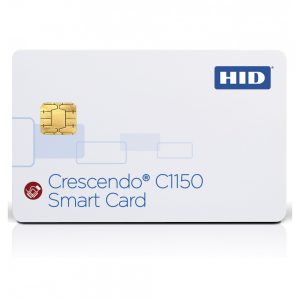
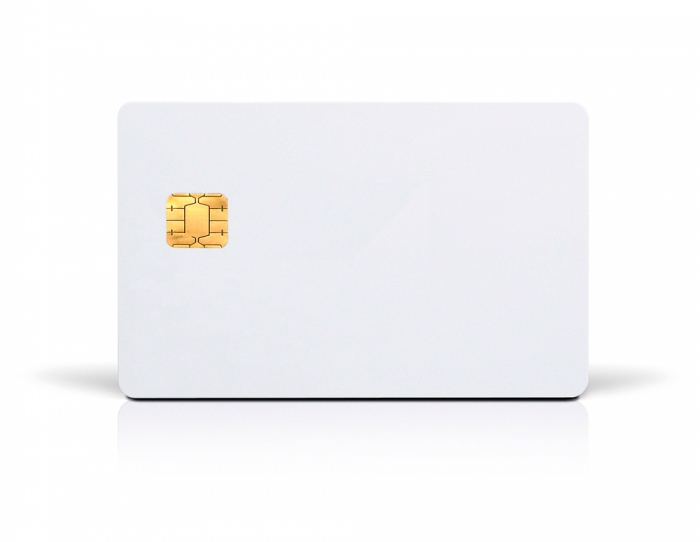
Gemalto Smart Card IDPrime MD 830 (with OTP ready for CAS server customers)
23,58€ IVA esclusa
Per informazioni sull'acquisto contattaci
Twitter Mbah Maryono Link
And then there were the links that hinted at a life lived before the grid of followers and retweets. A weathered passport page with a smudged stamp. A grainy family portrait with a father in a suit and a woman in a plain kebaya, both looking at the camera as if it had the power to hold them still. Those artifacts suggested journeys—literal and metaphoric—through villages and cities, eras of scarcity and sudden abundance, migrations small and large. They connected the personal and the political, the way an old bicycle leaning against a wall can tell you both how people moved and how they were moved by history.
He started as an account people followed for the little things: a photo of neem leaves drying on a woven mat, a five-line thread about how to coax a tomato plant back from the brink, a remembrance of a market vendor who sold turmeric by the fistful. Those posts had the texture of place—damp earth, the metallic tang of bicycle chains, the low hum of evening prayers—without pretending to be anything more than what they were. But slowly, his feed became the thread people reached for when the world outside the phone felt too loud. twitter mbah maryono link
Towards the edges of the timeline, followers sometimes wondered about the man behind the account. He posted little about his daily life: now and then a photo of a pair of weathered hands shelling peanuts, a blurred selfie in a passenger window, a book spine with a folded page. Once he wrote, in a brief thread, about learning to use a smartphone after decades of a life lived mostly in the village, and how the device had become a small bridge to grandchildren scattered by work and study. That admission made him feel simultaneousably near and far—familiar like a neighbor, enigmatic like an old map. And then there were the links that hinted
People kept coming back because the account did one rare thing well: it trusted readers to be part of the story. It linked not only to documents and images but to other people, to small acts of civic care and private remembrance. It never promised to solve everything, only to keep the ledger balanced and the names recorded. Those posts had the texture of place—damp earth,
There were links in his timelines—but not the flashy viral ones. Links led to long-forgotten newspaper clippings, scanned letters in an old script, oral histories uploaded to quiet corners of the web. He linked, and when followers clicked, they found themselves folded into someone else’s memory: a colonial-era photograph of a coastal village, a digitized ledger listing fishermen and the terse, exact amounts they owed the trader in the next regency town, a shaky audio file of a grandmother singing lullabies in a language that had fewer speakers every year. His account worked like a small museum curated by an unhurried hand, each post a label beneath an ordinary artifact that, when read, made the artifact insist on being extraordinary.
His voice was spare. He rarely ranted; he rarely bragged. Instead he offered invitations—an open window into local lore, a question posed to strangers about whether they, too, remembered a childhood recipe for cassava cake; a photograph of a bench in a banyan tree’s shadow with the caption, “This one remembers.” Followers answered with their own scraps of memory, and the timeline turned into a patchwork quilt stitched from the corners of many lives.
In the end, whether you encountered Mbah Maryono’s tweets as a source of comfort, a research rabbit hole, or a practical handbook for rainy-season living, the record was the same: someone paid attention. The links in his feed mapped out a community’s contours—its losses, its stubborn delights, its recipes for persistence. That simple attentiveness turned a modest Twitter account into a slow-moving archive and, for many, a place to anchor when the world around them slid.
| Peso | 100 kg |
|---|---|
| Specifiche Tecniche | Minidriver enabled contact smartcard, with Plug & Play capability CC EAL5+ / QSCD certified Fully supported by IDGo 800 (Minidriver, PKCS#11 libs, Credential Provider) Sleep mode activated 5:DESFire EV1 card body set with Key = 000.000 |
| Applicazioni | Accesso Logico Accesso Fisico Applicazioni di Sicurezza Applicazioni con gestioni di certificati digitali |
Prodotti correlati
-
Smart Card Tag e Token, Contact Card, Contactless Card, Smart Card & Tags, Smart Card Bianche, Contact Chip Blank, PKI Card, Gemalto Cards
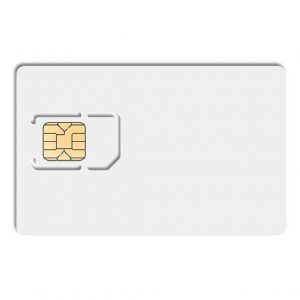
Gemalto Smart Card IDPrime MD 830 B FIPS 140-2 Level 3 Precut
 Smart Card Tag e Token, Contact Card, Contactless Card, Smart Card & Tags, Smart Card Bianche, Contact Chip Blank, PKI Card, Gemalto Cards
Gemalto Smart Card IDPrime MD 830 B FIPS 140-2 Level 3 Precut
Gemalto Smart Card IDPrime MD 830 B FIPS 140-2 Level 3 w/o OTP SIM Pre-cut material ABS
SKU: O1100988