They Hid It From You Pdf · Best Pick

They hid it from you — sometimes for good reason, sometimes for rotten ones. Your job, now that you’ve seen what they hid, is not simply to shout the file’s name into the void. It’s to turn that ragged, inconvenient truth into something useful: correction where it’s needed, accountability where it’s deserved, and better systems so fewer things must ever be hidden again.

Why we’re suspicious now We live in a world built on information asymmetry. Sometimes that asymmetry protects us. Sometimes it protects the powerful. The last decade has taught us to mistrust clean explanations: sanitized press releases, “no wrongdoing” statements, product launches that omit safety studies, clinical guidelines framed by undisclosed industry payments. That PDF, intentionally or not, is one remedy against such polished imperfection. It’s the ragged edge of accountability. they hid it from you pdf

The new ethics of circulation One of the most pernicious outcomes of modern disclosure culture is performative revelation — leaking for clicks rather than correction. If you have something they hid from you, ask: are you pursuing justice or virality? The right course is often messy: contacting authorities, giving the implicated parties a chance to respond, providing redacted versions to protect innocents. The wrong course is posting a pile of unsourced documents on a platform that promotes outrage without verification. They hid it from you — sometimes for

A final thought: curiosity as civic practice The impulse behind opening they hid it from you.pdf is the same impulse that drives journalism, oversight, and engaged citizenship: the refusal to let narratives calcify unexamined. Curiosity, paired with careful responsibility, is the antidote to both secrecy and sensationalism. If you find such a document, treat it as an invitation, not a verdict. Follow where it leads, but protect the innocent, verify the claim, and remember that disclosure is a tool, not a cure-all. Why we’re suspicious now We live in a

What we lose when we accept the hiding Habitual acceptance of “they hid it from you” corrodes democratic life. When we internalize that important facts will be withheld, we stop demanding transparency. We normalize excuses — “it’s proprietary,” “it’s confidential,” “it’s complicated.” That resignation is beneficial to institutions that prefer opacity. So the opposite of fatalism is not blind suspicion; it’s sustained insistence on mechanisms that reduce concealment where it matters: open registries for public spending, mandatory disclosure of conflicts of interest in research, accessible meeting minutes for public bodies, and robust whistleblower protections.

The civic muscle we need to build is not only investigative: it is routine. Ordinary transparency — accessible records, plain-language explanations, regular audits — undermines the very premise that something must be hidden from you for your own good.
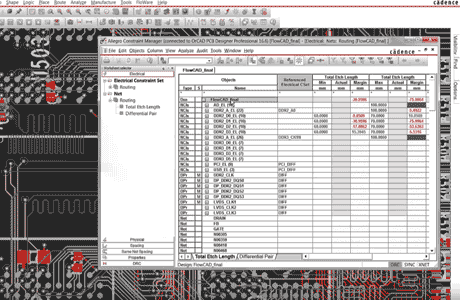
OrCAD PCB Designer is a Complete Software Solution for Schematic Entry, PCB Layout and Routing Including a Powerful Constraint Manager

They hid it from you — sometimes for good reason, sometimes for rotten ones. Your job, now that you’ve seen what they hid, is not simply to shout the file’s name into the void. It’s to turn that ragged, inconvenient truth into something useful: correction where it’s needed, accountability where it’s deserved, and better systems so fewer things must ever be hidden again.

Why we’re suspicious now We live in a world built on information asymmetry. Sometimes that asymmetry protects us. Sometimes it protects the powerful. The last decade has taught us to mistrust clean explanations: sanitized press releases, “no wrongdoing” statements, product launches that omit safety studies, clinical guidelines framed by undisclosed industry payments. That PDF, intentionally or not, is one remedy against such polished imperfection. It’s the ragged edge of accountability.

The new ethics of circulation One of the most pernicious outcomes of modern disclosure culture is performative revelation — leaking for clicks rather than correction. If you have something they hid from you, ask: are you pursuing justice or virality? The right course is often messy: contacting authorities, giving the implicated parties a chance to respond, providing redacted versions to protect innocents. The wrong course is posting a pile of unsourced documents on a platform that promotes outrage without verification.

A final thought: curiosity as civic practice The impulse behind opening they hid it from you.pdf is the same impulse that drives journalism, oversight, and engaged citizenship: the refusal to let narratives calcify unexamined. Curiosity, paired with careful responsibility, is the antidote to both secrecy and sensationalism. If you find such a document, treat it as an invitation, not a verdict. Follow where it leads, but protect the innocent, verify the claim, and remember that disclosure is a tool, not a cure-all.

What we lose when we accept the hiding Habitual acceptance of “they hid it from you” corrodes democratic life. When we internalize that important facts will be withheld, we stop demanding transparency. We normalize excuses — “it’s proprietary,” “it’s confidential,” “it’s complicated.” That resignation is beneficial to institutions that prefer opacity. So the opposite of fatalism is not blind suspicion; it’s sustained insistence on mechanisms that reduce concealment where it matters: open registries for public spending, mandatory disclosure of conflicts of interest in research, accessible meeting minutes for public bodies, and robust whistleblower protections.

The civic muscle we need to build is not only investigative: it is routine. Ordinary transparency — accessible records, plain-language explanations, regular audits — undermines the very premise that something must be hidden from you for your own good.
YouTube Videos

Why OrCAD Capture Video
3:02

Why OrCAD

OrCAD Capture is one of the most widely used schematic design solutions for the creation and documentation of electrical circuits. Fast, easy, and intuitive circuit capture, along with highly integrated flows supporting the engineering process, make OrCAD Capture one of the most popular design environments for today’s product creation.

Related Products

CAD-FlowManager

CAD-FlowManager

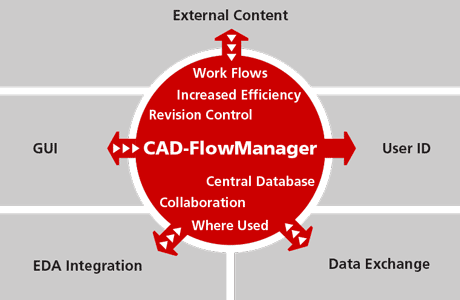
Manage work flows for library components or complete designs and integrate into PLM or other databases.

More

Library Builder

OrCAD Library Builder

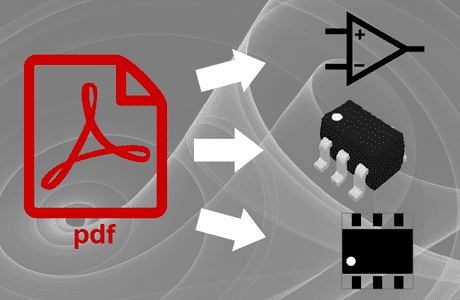
Creating new symbols, Footprints and Step Models with copy and paste directly from a PDF datasheet.

more

UltraLibrarian

UltraLibrarian

UltraLibrarian is an online library with more than 10M parts. Find the parts you need, download and start designing quickly.

more

PSpice

PSpice Simulator

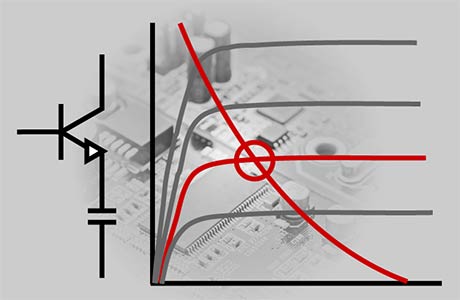
Circuit simulator to verify functionality, reliability and yield of your circuit directly from the schematic.

more