v4.12.4
Current Version
macOS 11+
Required (macOS 13+ recommended)


Setapp is a subscription service that offers 200+ apps including Downie for a monthly fee.
Downie for iOS is available via Onside - an alternative marketplace within the EU.

If you are a student, you can buy Downie with a discount. Please contact us for more information.





Tekken 6 on PS3, then, is a story about continuity. The “pkg” tag may reduce it to a technicality, but the game itself resists reduction: it is technique, theater, community, and memory braided together. As the industry races forward, there’s value in honoring these in-between spaces—the consoles and files that keep culture connected across time. The archives we build, the matches we save, and the conversations we keep alive matter because they preserve not just code, but the social fabric stitched by play.
Look at the “pkg” shorthand and you see modern dualities. To some, a PKG is an item on a hard drive—a container, efficient and impersonal. To others, it’s the key to resurrecting a twilight past: modded costume packs, fan localization patches, or the soft glow of region-free play. That tension—between official release and grassroots preservation—illustrates an industry still negotiating ownership. Players archive builds, translate menus, and stitch together online lobbies because official support ends, but culture doesn’t. The desire to keep a game alive beyond corporate timelines speaks to something essential: games are social objects, not disposable products. ps3 tekken 6 pkg
There’s also a cultural geography to Tekken 6’s life on PS3. In arcades, the series always had roots in local communities, but on consoles it traveled differently—across continents via disc swaps, package files, and friend invites. It became a lingua franca for cross-generational play: younger players learning the ropes from veterans who’d honed instincts on prior iterations. In many regions, Tekken 6 was an introduction to esports-esque habits: analyzing replays, studying frame data, and treating practice like deliberate craft. Those practices migrated into the broader fighting-game scene, helping transform what was once niche rivalry into a medium with global tournaments and organized circuits. Tekken 6 on PS3, then, is a story about continuity
In the end, Tekken 6 isn’t only about inputs and frames; it’s about the people who found meaning inside those systems. Whether you track down a disc, a digital package, or a streamed replay, the game remains a living thing—reminding us that play, like memory, is best shared. The archives we build, the matches we save,
There’s something quietly nostalgic about a PS3 disc sliding into a console, the blue glow of the system settling into hum, the world outside the TV fading. For many, Tekken 6 lives at the intersection of that nostalgia and a living, beating fighting-game culture—where a single “pkg” file label can stand for whole histories: midnight releases, cramped LAN rooms, swapped memory sticks, aftermarket mods, and the thrill of landing a perfect Rage Drive. But Tekken 6 on the PS3 is more than a file format or a retro curiosity; it’s a mirror reflecting how games anchor memory, community, and change.








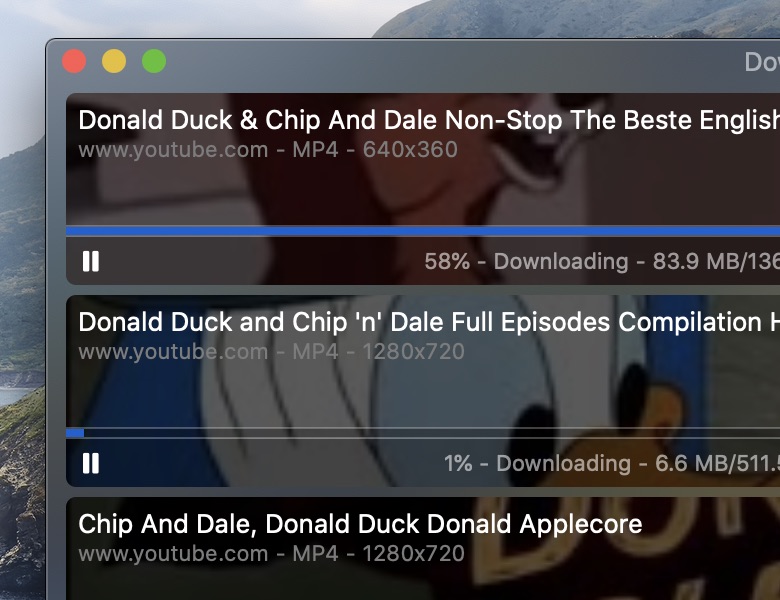
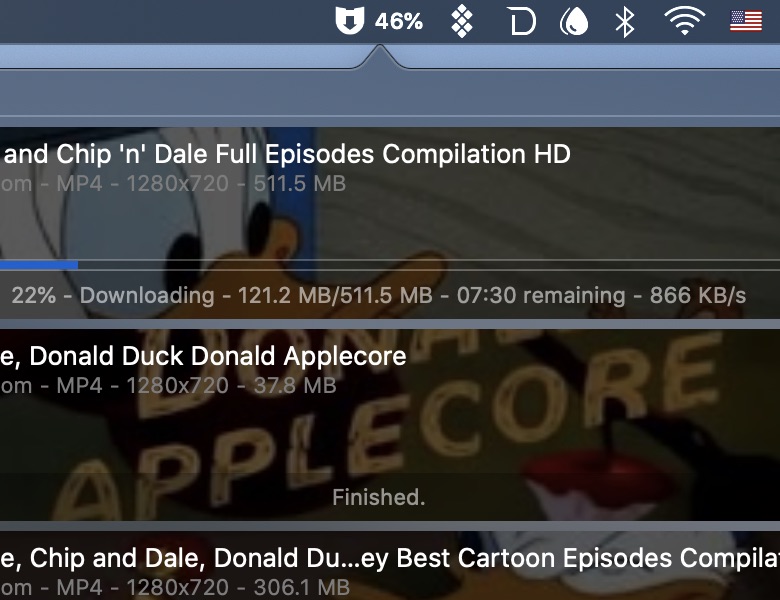
Excellent way to get short clips from the Internet.

I've been using this app for years to download videos/audio of the Internet to view or listen later. This app never disappoints.

Reliable, efficient, sleek. Does what it claims and more.

Love this app. It is so easy to paste in a link to a page with a video and then download the file.
Install a browser extension to send links to Downie from your browser with a single click.
Try the User-Guided Extraction for downloading images and content from sites not supported out of the box.
Set postprocessing to Audio Only to download just the audio.
Tekken 6 on PS3, then, is a story about continuity. The “pkg” tag may reduce it to a technicality, but the game itself resists reduction: it is technique, theater, community, and memory braided together. As the industry races forward, there’s value in honoring these in-between spaces—the consoles and files that keep culture connected across time. The archives we build, the matches we save, and the conversations we keep alive matter because they preserve not just code, but the social fabric stitched by play.
Look at the “pkg” shorthand and you see modern dualities. To some, a PKG is an item on a hard drive—a container, efficient and impersonal. To others, it’s the key to resurrecting a twilight past: modded costume packs, fan localization patches, or the soft glow of region-free play. That tension—between official release and grassroots preservation—illustrates an industry still negotiating ownership. Players archive builds, translate menus, and stitch together online lobbies because official support ends, but culture doesn’t. The desire to keep a game alive beyond corporate timelines speaks to something essential: games are social objects, not disposable products.
There’s also a cultural geography to Tekken 6’s life on PS3. In arcades, the series always had roots in local communities, but on consoles it traveled differently—across continents via disc swaps, package files, and friend invites. It became a lingua franca for cross-generational play: younger players learning the ropes from veterans who’d honed instincts on prior iterations. In many regions, Tekken 6 was an introduction to esports-esque habits: analyzing replays, studying frame data, and treating practice like deliberate craft. Those practices migrated into the broader fighting-game scene, helping transform what was once niche rivalry into a medium with global tournaments and organized circuits.
In the end, Tekken 6 isn’t only about inputs and frames; it’s about the people who found meaning inside those systems. Whether you track down a disc, a digital package, or a streamed replay, the game remains a living thing—reminding us that play, like memory, is best shared.
There’s something quietly nostalgic about a PS3 disc sliding into a console, the blue glow of the system settling into hum, the world outside the TV fading. For many, Tekken 6 lives at the intersection of that nostalgia and a living, beating fighting-game culture—where a single “pkg” file label can stand for whole histories: midnight releases, cramped LAN rooms, swapped memory sticks, aftermarket mods, and the thrill of landing a perfect Rage Drive. But Tekken 6 on the PS3 is more than a file format or a retro curiosity; it’s a mirror reflecting how games anchor memory, community, and change.