Proteus Library For Stm32 Exclusive May 2026
The lab was dim except for the cold blue glow of the oscilloscope and the thin strip of LEDs on the development board. Marcos had been chasing a stubborn timing bug for three nights straight; every peripheral worked in isolation, but when the system attempted full startup, pins that were supposed to be quiet erupted into noise. He rubbed his temples and stared at the scope trace, the spike a jagged, accusing mountain on an otherwise calm sea.
He thought back to the forum thread he'd found days earlier: a whispered tip about a "Proteus library for STM32 — exclusive" maintained by a small team that curated models tuned to silicon quirks. It sounded like legend: an exact virtual twin of the microcontroller, down to its misbehaving internal pull resistors and subtle startup current surges. People said simulations with it matched hardware on the first try. Marcos had dismissed it as hyperbole—until now.
He pushed a commit titled "fix: boot sequencing for stable DMA" and sent a slice of the simulation log to the team. The message was small and factual; the relief, enormous. Outside, dawn edged the sky. Inside the lab, a board that had once threatened to unravel the release now sat obedient and predictable, the product of careful simulation and an exclusive library that had finally given the hardware a voice.
He smiled for the first time in days. The exclusive library didn't just fake registers; it encoded behavior, documented errata, and offered toggles that let him explore how boot order, pull-ups, and tiny timing slips cascaded into chaos. He reworked his init sequence in the simulator: stabilise the PLL, delay peripheral clocks until the regulator trimmed, sequence the DMA only after confirming the APB flag. With the new order the simulated board glided through startup like a trained swimmer.
See Through the Fakes.
Know What's
Real.
Instant AI Detection at Your Fingertips Don't let AI-generated images deceive you. WasItAI provides quick
reliable results to help you make informed decisions about the content you encounter online.
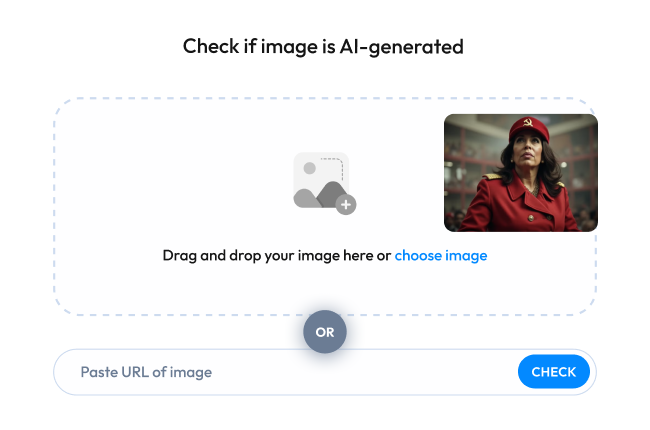
Step 1
Upload Your Image. Drag and drop your photo or enter the image URL.
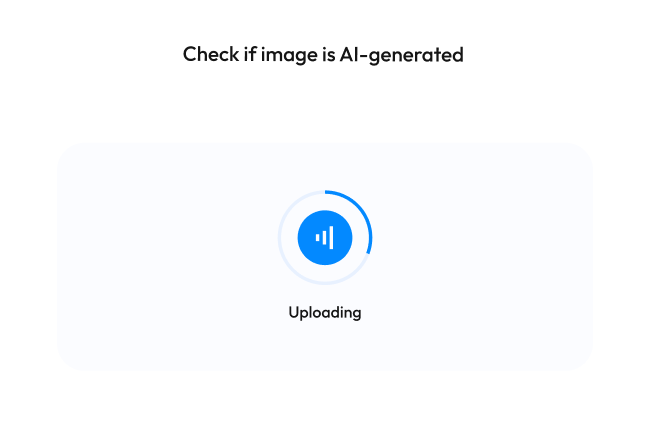
Step 2
Let WasItAI Work its Magic. Our AI platform analyzes the image.
Step 3
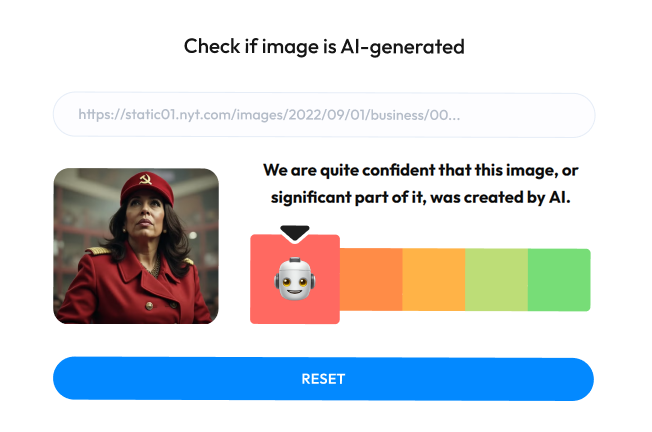
Get Your Results. Discover if AI is used to generate this image.


Don't Be Fooled by Fakes: How AI-Generated
Images Can Harm You
AI-generated images are becoming
increasingly sophisticated,
but they're also being used for malicious purposes. Here's how:
Fake News and Propaganda
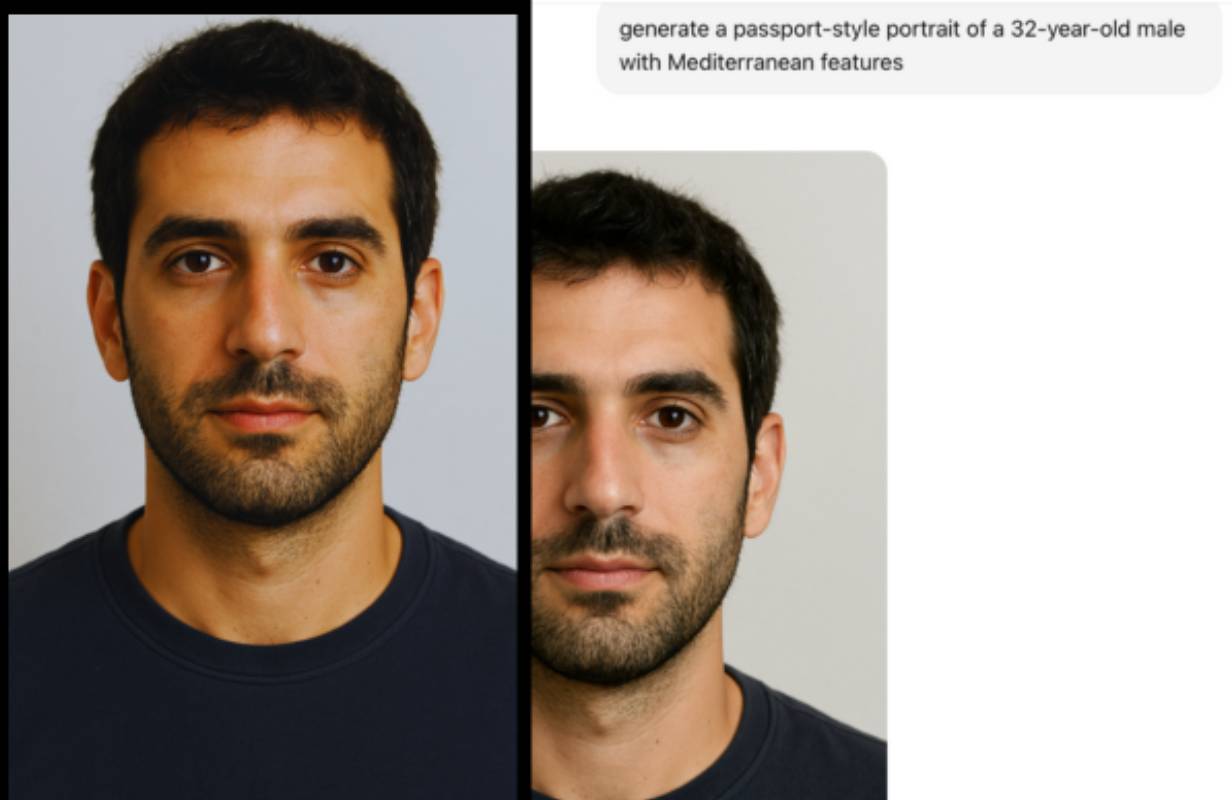
AI can be used to create realistic images of people saying or doing
things they never did. This can be used to spread misinformation, sow discord,
and manipulate public
opinion.
Art Theft and Copyright Infringement
AI can be used to create images that are derivative of copyrighted
works. This can hurt artists' livelihoods and make it difficult to protect
their intellectual property.
proteus library for stm32 exclusive
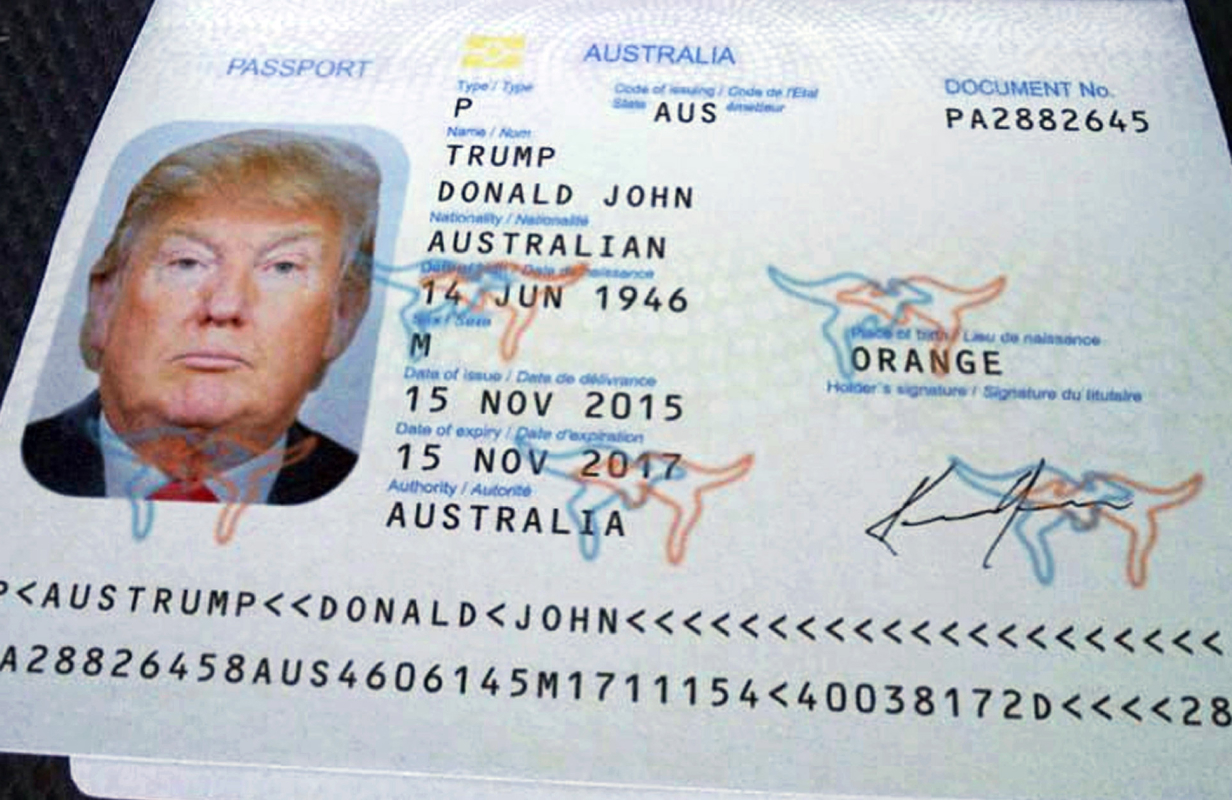
ID Fraud
AI-generated images can be used to create fake
identification
documents. This can be used to commit identity theft, bypass KYC checks on crypto platforms, and
for other
crimes. The lab was dim except for the cold
AI Travel Scams: Fake Photos Making Fraud Believable
AI can be used to create entirely fake images of hotels, vacation rentals,
and even entire destinations. These visuals make fraudulent listings appear legitimate,
tricking travelers into handing over money for trips that don’t exist.
He thought back to the forum thread he'd
E-Commerce and Marketplace Scams
AI-generated product photos make fraudulent listings look professional and trustworthy. Sellers use fake images to advertise goods that are low-quality, counterfeit, or don't exist at all — leaving buyers with empty wallets and no recourse.
Dating Apps and Social Media Catfishing
Scammers build convincing fake profiles on dating apps and social networks using AI-generated portraits of people who don't exist. Victims form real emotional connections, only to be manipulated into sending money, sharing personal data, or worse.
KYC Bypass and Identity Fraud
AI-generated faces and forged documents are increasingly used to pass Know Your Customer verification on banks, crypto exchanges, and regulated platforms. Fraudsters open accounts, launder money, and commit financial crimes entirely under fictional identities.
The lab was dim except for the cold blue glow of the oscilloscope and the thin strip of LEDs on the development board. Marcos had been chasing a stubborn timing bug for three nights straight; every peripheral worked in isolation, but when the system attempted full startup, pins that were supposed to be quiet erupted into noise. He rubbed his temples and stared at the scope trace, the spike a jagged, accusing mountain on an otherwise calm sea.
He thought back to the forum thread he'd found days earlier: a whispered tip about a "Proteus library for STM32 — exclusive" maintained by a small team that curated models tuned to silicon quirks. It sounded like legend: an exact virtual twin of the microcontroller, down to its misbehaving internal pull resistors and subtle startup current surges. People said simulations with it matched hardware on the first try. Marcos had dismissed it as hyperbole—until now.
He pushed a commit titled "fix: boot sequencing for stable DMA" and sent a slice of the simulation log to the team. The message was small and factual; the relief, enormous. Outside, dawn edged the sky. Inside the lab, a board that had once threatened to unravel the release now sat obedient and predictable, the product of careful simulation and an exclusive library that had finally given the hardware a voice.
He smiled for the first time in days. The exclusive library didn't just fake registers; it encoded behavior, documented errata, and offered toggles that let him explore how boot order, pull-ups, and tiny timing slips cascaded into chaos. He reworked his init sequence in the simulator: stabilise the PLL, delay peripheral clocks until the regulator trimmed, sequence the DMA only after confirming the APB flag. With the new order the simulated board glided through startup like a trained swimmer.