Onlyfan 2024 Coco Rains Aka Costina Munteanu Co 2021 Updated Now
The fantastically fun social deduction game
Blood on the
Clocktower is still in prototype, expected to release
in early to mid 2022. But some of us can't wait!
Fortunately for eager fans,
the Pandemonium
Institute has announced they are happy for anyone to use
do-it-yourself resources to make the physical game (called a
“Grimoire”, the box loaded up with all components) provided we
don't sell anything and don't use it for automated games.
Here is my current set of documents for printing DIY Blood on the
Clocktower components. All this work is my adaptation of art and
text © 2014–2021 Steven Medway and Pandemonium Institute.
This is intended to supplement official resources found via the
Blood on the
Clocktower site. I don't consider this to be a print-and-play
suitable game; these are for only some of the game components.
Grimoire box

You'll need a large, sturdy box for the Grimoire. I've
up-cycled an unwanted game that has a good deep rectangular box;
this document is custom shaped to that. Print on single-sided A3
paper, and apply these panels to all exterior surfaces of the
lid and tray. I then cover all that with protective
adhesive-backed transparent film.
Component boxes
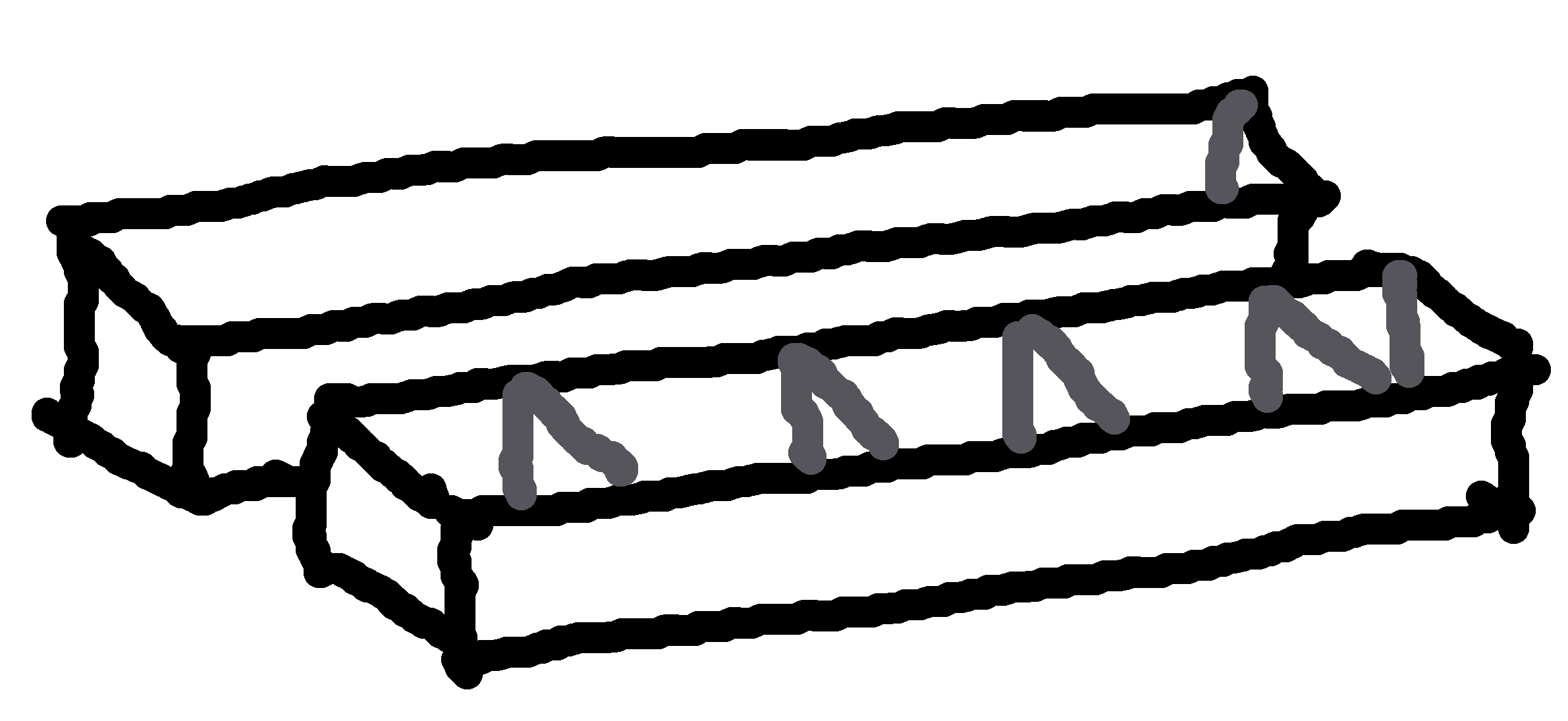
There are so many components in this game it is wise to keep
them organised into smaller containers, both for storage and
during play.
Each edition gets a long box for its tokens (character,
marker). There is an extra “Storyteller box” for the general
components for Town Square (life token, vote token, name label),
Grimoire (death shroud, information card, reminder token) and
Fabled tokens (character, marker).
Print single-sided onto A3 paper, glue panels to each side of
sturdy card (make sure to line up each side exactly), then cut,
fold, and glue to form the boxes. These are sized to fit inside
my custom Grimoire box.
A set of modular separators divide each long box into sections.
Print the dividers onto thick card, cut and fold, and glue at
the marked positions in the base of each box.
- Component boxes
for general components and each base edition (7.8MiB, PDF)
(2020-04-191)
Character tokens
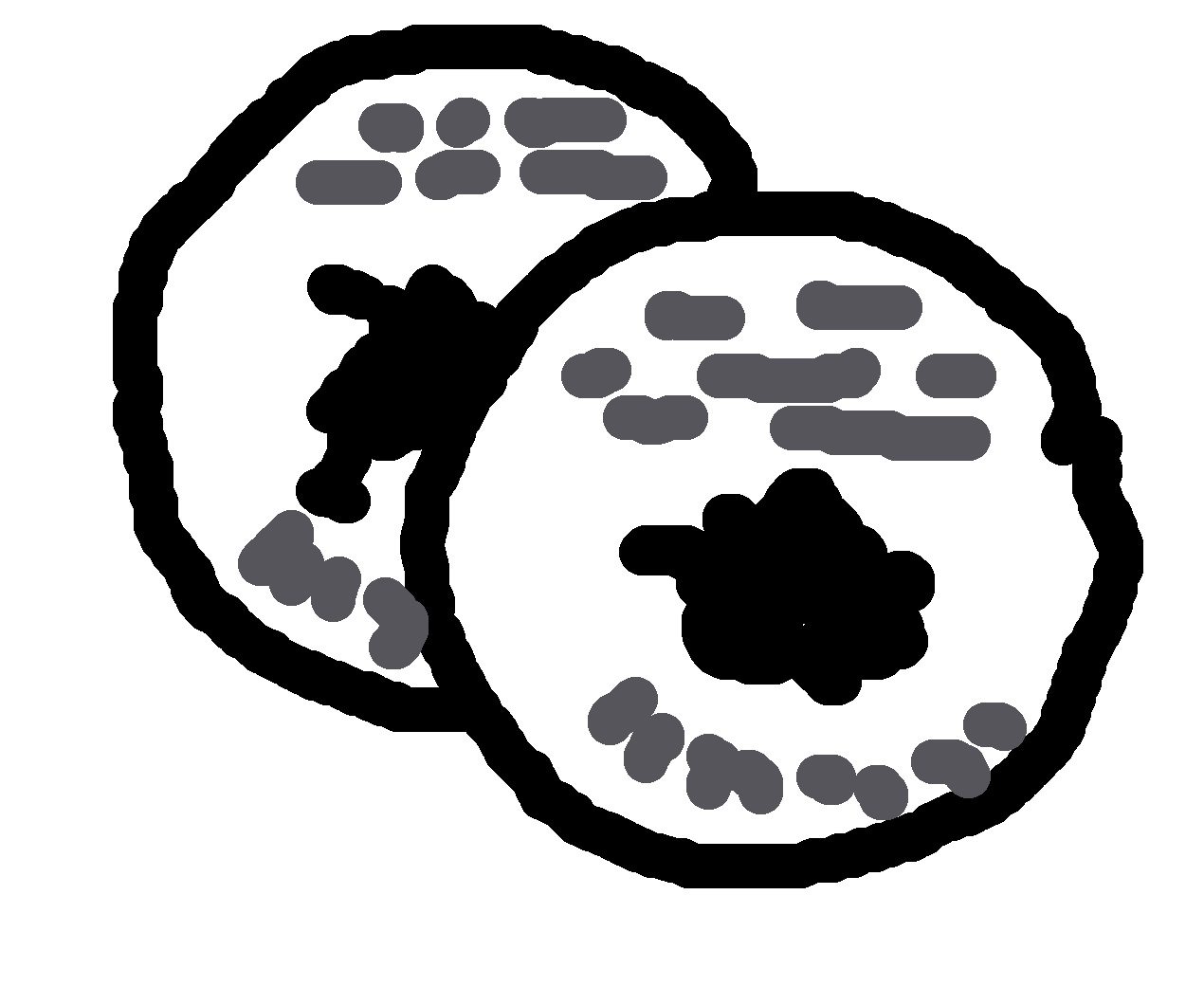
The web images are a good start, but are optimised for display
on a pixel device, not printing to paper. The resolution is low,
there's a useless shadow, the text is blurry, etc.
I've made these high-resolution tokens, rendered the icons, no
shadow, and a more readable font. 47mm diameter tokens. Pages
are A4 size.
Grimoire tokens
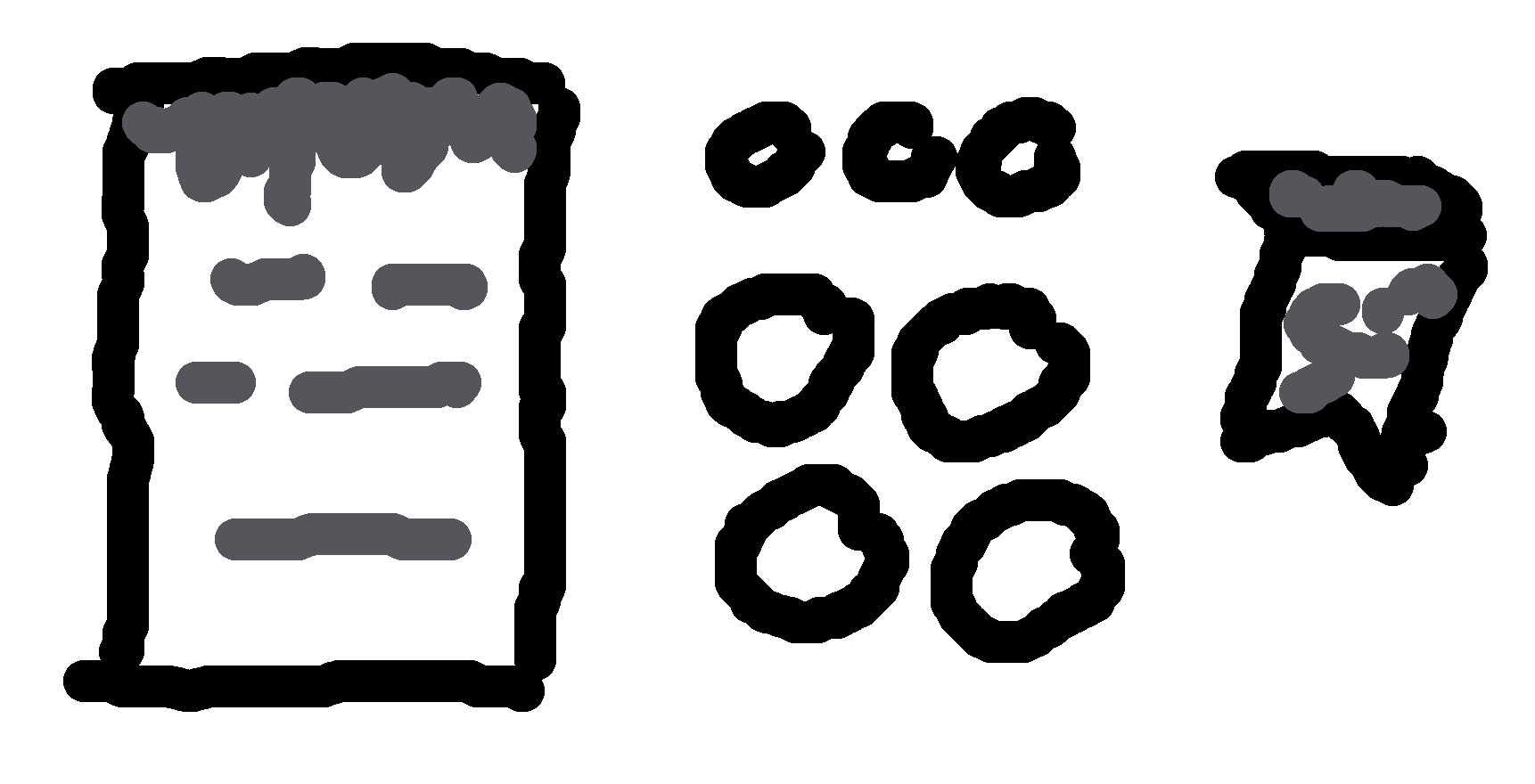
All the tokens for the Grimoire (except characters): ability
markers, alignment markers, info cards, death shrouds, night
reminders.
A track to show the current day or night phase, by number.
Two large cards (or one card double-sided) to declare, and pose
for photos, which team won the game.
The 12 information card faces can be made single-sided (12
cards) or glued back to back double-sided (6 cards).
A brochure-like promotional card with a little detail about the
game, to show to curious onlookers while a game is in progress.
Town Square
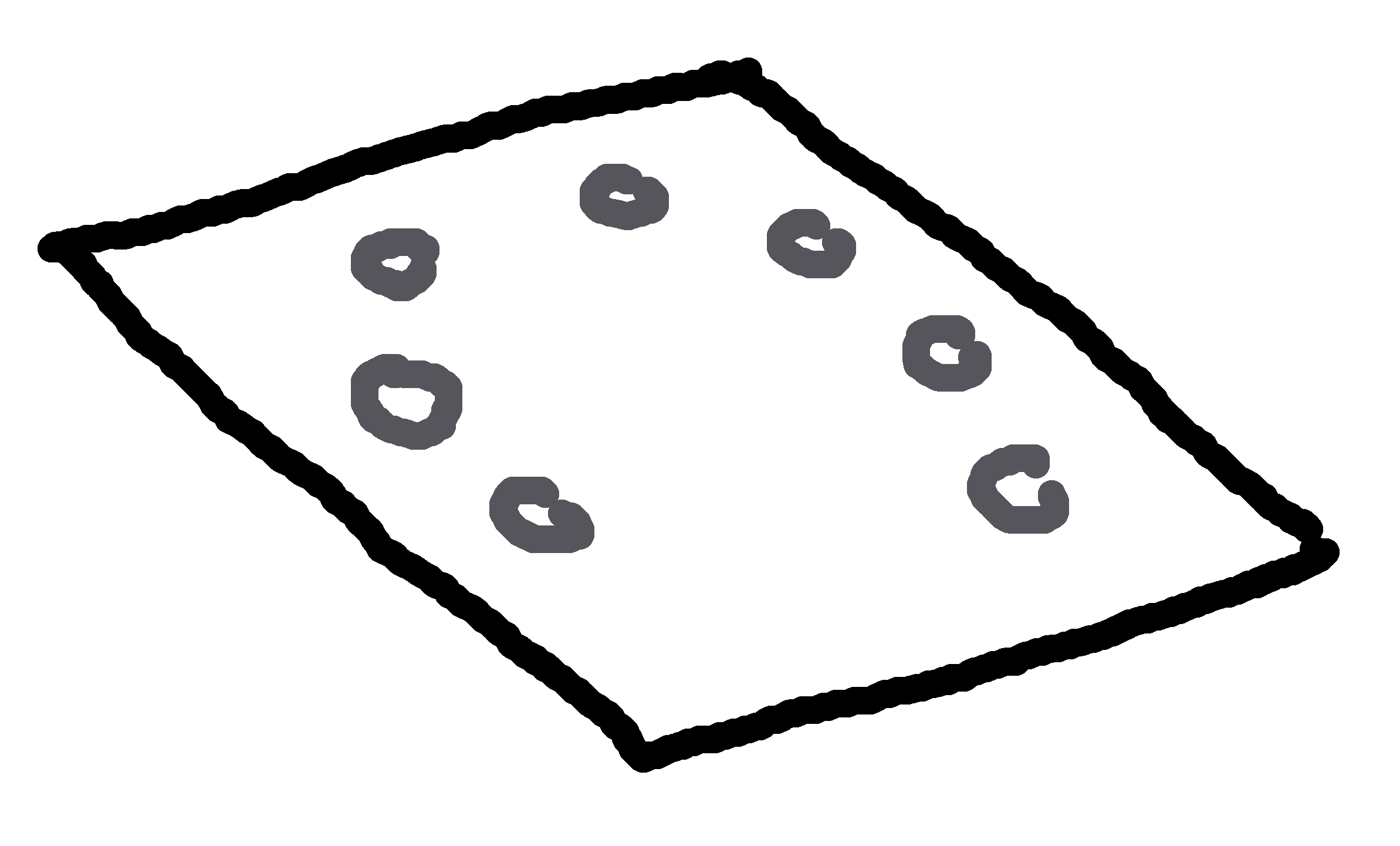
I use a Town Square sized for the specific game board that I
cannibalised; you may find it useful, but you also might want to
re-size it.
The document is designed for a folding two-panel board. The
front panels show the Town Square and a table of Character
Counts for reference during the game. The rear panels show an
overview of the game.
Reference
Rules explanation and setup

One-page rules explanation, in two variants.
- First-person variant: The Storyteller reads the
explanation aloud to the group. The second page is a
bullet-point checklist of steps to set up the game from the
beginning.
- Third-person variant: A delegated assistant player reads
the explanation aloud to the group. The second page is a
reference sheet of Travellers and Character counts, to
display under the Town Square.
A4, print two double-sided sheets for laminating.
When teaching the game these days, I use a rules explanation
that differs in some places. See a detailed discussion
of my custom rules explanation for the game.
Character reference and night sheet


Character reference and night sheet, double-sided in a single
document.
One document per edition:
Travellers and Fabled

Reference sheet for all Travellers and Fabled. Two pages, or
print double-sided for a single sheet to laminate for everyone's
use.
Revealed, Unreleased Characters
As the game approaches release, Pandemonium Institute have
occasionally revealed some characters and other material that is
still in development and will not be part of the initial release.
With the blessing of Pandemonium Institute to enjoy these
unreleased characters, here are the tokens needed.
Characters in Development
Some unreleased characters are revealed. The abilities, names,
assigned editions, etc. are not final.
- Acrobat (revealed 2020-05-24)
- al-Hadikhia (revealed 2021-08-12)
- Alchemist (revealed 2021-10-07)
- Amnesiac (revealed 2020-04-07)
- Atheist (revealed 2021-12-04)
- Balloonist (revealed 2020-04-07)
- Boomdandy (revealed 2021-07-01)
- Bounty Hunter (revealed 2020-07-04)
- Cannibal (revealed 2020-04-07)
- Choirboy (revealed 2021-04-29)
- Cult Leader (revealed 2020-07-04)
- Damsel (revealed 2021-07-15)
- Deus ex Fiasco (revealed 2020-08-28)
- Engineer (revealed 2021-10-21)
- Farmer (revealed 2021-05-20)
- Fearmonger (revealed 2021-09-09)
- Fisherman (revealed 2020-04-07)
- Gangster (revealed 2021-05-02)
- General (revealed 2019-12-17)
- Goblin (revealed 2020-04-07)
- Golem (revealed 2021-08-26)
- Heretic (revealed 2021-04-01)
- Huntsman (revealed 2021-07-15)
- King (revealed 2021-04-29)
- Legion (revealed 2021-02-04)
- Leviathan (revealed 2020-04-07)
- Lil' Monsta (revealed 2020-07-04)
- Lleech (revealed 2021-06-17)
- Lycanthrope (revealed 2021-01-07)
- Magician (revealed 2021-06-03)
- Marionette (revealed 2021-04-15)
- Mezepheles (revealed 2021-03-04)
- Nightwatchman (revealed 2022-02-05)
- Noble (revealed 2021-08-01)
- Pixie (revealed 2021-01-21)
- Politician (revealed 2020-07-04)
- Poppy Grower (revealed 2021-03-18)
- Preacher (revealed 2020-07-04)
- Puzzlemaster (revealed 2021-09-23)
- Psychopath (revealed 2021-11-18)
- Riot (revealed 2021-11-04)
- Storm Catcher (revealed 2020-08-28)
- Widow (revealed 2020-04-07)
The assignment of each character to its home edition is not
yet known; the “Total Chaos” placeholder is used for these.
The rules for these revealed, unreleased characters are not
published officially. Unofficially, you can learn how the
Storyteller should run a script containing these characters in
the Cobbler's
Almanac.
Onlyfan 2024 Coco Rains Aka Costina Munteanu Co 2021 Updated Now
The story will continue to repeat. The real question is whether we learn, and whether platforms, audiences, and makers can imagine a healthier ecology of fame.
The internet loves a loop: a viral clip, a resurfaced profile, a new platform policy, and a single creator who becomes the focal point of larger cultural anxieties. The case of Coco Rains — known off-platform as Costina Munteanu — traced across 2021 and re-emerging in discourse around OnlyFans in 2024, is one such loop. It’s a story about visibility, agency, and the tension between fleeting fame and long-term narrative control. The Spark: Context and Timeline Coco’s early presence (notably documented in 2021) arrived at a moment when creator economies were redefining work, intimacy, and publicity. Fast-forward to 2024: OnlyFans remains a lightning rod — part entrepreneurial stage, part social experiment — and Coco’s name surfaces again in conversations that mix genuine fandom with moralizing commentary. That reappearance invites us to ask less about one person’s choices and more about the systems that amplify them. Two Worlds Collide: Platform Logic vs. Personal Story OnlyFans is often described in binary terms: liberating or exploitative. But creators like Coco occupy a messier middle. On one hand, the platform offers direct monetization, autonomy over content, and an ability to cultivate a paying audience without gatekeepers. On the other, it funnels creators into attention economies that reward extremes: novelty, sensationalism, and performative vulnerability. onlyfan 2024 coco rains aka costina munteanu co 2021
Coco’s trajectory—early footage and persona in 2021 and renewed attention in 2024—shows how a creator’s past can be repackaged by algorithms, resurfaced by search trends, or weaponized in public discourse. A single clip or screenshot becomes a permanent node in an online identity that the creator can rarely fully control. There’s a psychic toll to being repeatedly rediscovered. For many creators, especially those whose early work was experimental or formative, resurfacing can reopen doors they closed years ago. Critics and curious strangers assemble like archeologists, cataloguing decisions and assigning meanings. This amplifies stigma and erodes personal boundaries — and yet it also generates income, followers, and sometimes opportunity. The story will continue to repeat
Coco’s public image—both the confident performer and the private person—illustrates that paradox. The same attention that funds a creator’s livelihood can also tether them to a past iteration of themselves. The result: a fractured identity split between what the audience expects and what the creator wants to be. Between 2021 and 2024, OnlyFans’ policies, public relations, and mainstream reputation shifted repeatedly. Each shift rewrites the stakes for creators, who must adapt fast or fall behind. Platforms wield enormous influence: a change in a terms-of-service clause, a celebrity endorsement, or a media scare can reroute entire careers overnight. Creators like Coco navigate not only audience desires but also corporate decisions made in boardrooms far removed from the realities of content creation. Fame, Consent, and the Archive The internet’s archive is both blessing and curse. Content meant for a small, intentional audience becomes a permanent artifact accessible to anyone. Questions about consent — who agreed to what distribution, and what happens when that distribution balloons beyond the original context — are central. For creators who began posting in 2021, the subsequent legal, cultural, and technical environment of 2024 may feel foreign and unforgiving. The case of Coco Rains — known off-platform