Education
made reflect4 Population Density in terms of Geography in I...

The most common sort among the calculations of population density is as defined by the number of persons per square kilometre. Calculations of population density depict...

Staff Reporter

Climate change
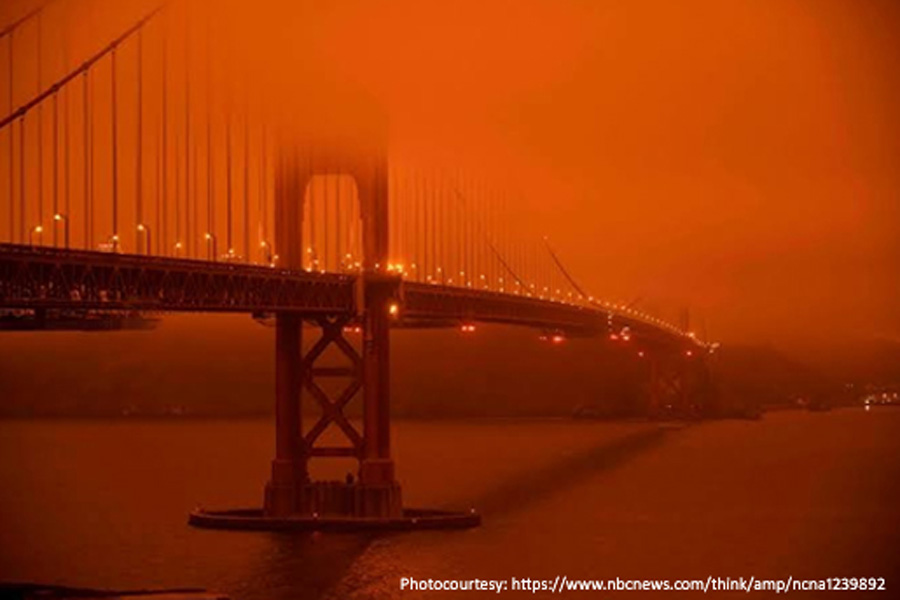
made reflect4 US Climate-No Cause for A...

‘I don’t believe it’, was US President Donald Trump’ response to the ‘the National Climate Assessment’, in which clim...

Earth Science
made reflect4 Wind Types | Why They are...

World wind types

Ascertaining wind types is important to understand disas... made reflect4

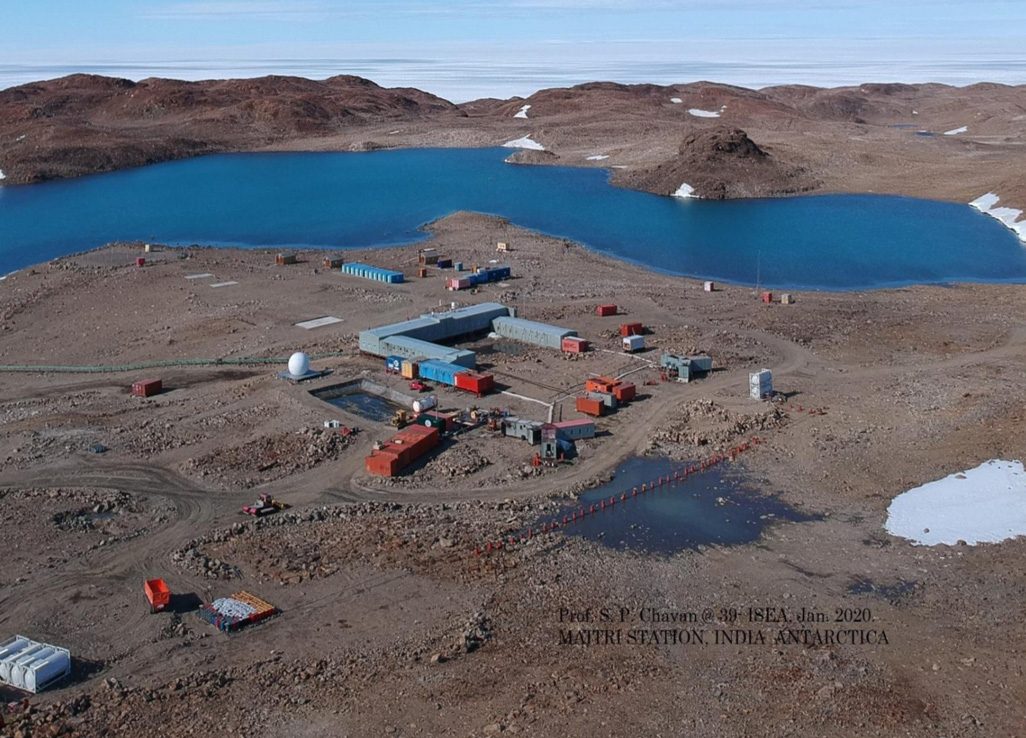
Resources Maitri II - India's New Antarctic Research Station

India is set to embark on a new chapter in its Polar exploration journey with the construction of Maitri II. The Indian government plans to establish a new research station near the existing Maitri base, located in the Schirmacher Oasis region of East Antarctica, which was commissioned in 1989. The completion of the research station would be India's fourth r...

Staff Reporter

Gny live Innovation INC : Deep Ocean-weather Smart

The Deep Ocean Mission (DOM), approved by the Government of India in 2021 under the Ministry of Earth Sciences (MoES), represents a strategic step in realizing Sustainable Development Goal 14 (SDG 14: Life Below Water)1 and advancing the national vision of Viksit Bharat 2047. In this episode of GnY Live, we participate in a discussion with Dr. M. Ravichandra...

Dr M Ravichandran and Dr Sulagna Chattopadhyay The formal surface of the work—whether textual, sonic,

Resources Rare Earth Elements (REE)-China’s Grip, India’s St...

China recently announced restrictions on the export of seven rare earth elements (REEs), soon after US President Donald Trump decided to impose tariffs. As the world's dominant supplier—responsible for over 85 to 90 per cent of rare earth processing (Jayadevan, 2025)—this decision has raised alarms across the tech, defence, and energy sectors worldwide. Bu...
By Staff Reporter Viewers/readers are invited into a practice of active

Monsoon Offer

The formal surface of the work—whether textual, sonic, sculptural, or digital—leans into an economy that privileges fragmentation over narrative closure. Fragments behave like mirrors turned slightly askew: they reflect not an exact likeness but a series of offset images that multiply perspective. The effect is both destabilizing and generative. Viewers/readers are invited into a practice of active reconstruction; meaning is not given but manufactured in the act of engagement. In that sense, "made reflect4" is less a finished statement than a performative protocol: it choreographs how we think rather than delivering what to think.

Finally, the affective register of "made reflect4" is quietly disarming. There is an intimacy born from its fragmented address: the piece feels like a note left in a pocket or a paused meditation rather than a proclamation. That intimacy is the work’s strength. It asks the audience to linger, to complete its sentences, and to accept that some questions will remain provisional. In a cultural moment hungry for certainty, "made reflect4" offers a salutary reminder: reflective work multiplies perspective more than it settles it.

Politically, "made reflect4" suggests modest but incisive critiques. By foregrounding process and iteration, it resists grandmaster narratives and monumentality in favor of distributed, accountable making. The work’s modest scale—implied by the restrained title—is not a retreat but a strategic recalibration: small gestures can reveal structural dynamics that larger assertions often obscure. In doing so, it models an ethics of attention, one that values repair, revision, and the slow accrual of insight.

Thematically, the work engages with memory and iteration. The "4" could be read as a loop index: the fourth pass through a process that refines, distorts, or amplifies. Each iteration leaves residues; the fourth is not identical to the first but carries its palimpsest. This motif resonates with contemporary anxieties around repetition—of image, of narrative, of trauma—and with the liberating possibility that repetition can also accrue difference. In its insistence on the reiterative, the piece invites contemplation of how histories are recycled and how attention recalibrates meaning over time.

Aesthetically, the piece traffics in tensions between the handmade and the algorithmic. The title’s typographic choices evoke code—lowercase, compact, numeric suffix—while the material gestures insist on touch, contingency, and the visible traces of labor. This duality raises productive questions about authorship in an era when production pipelines collapse: who or what is the agent of making, and how does reflection operate when mediated by layers of tooling? "made reflect4" stages that question without prescribing an answer, allowing productive ambiguity to persist.

Climate Change

made reflect4
ASAN | Uttarakhand’s First Ramsar Site

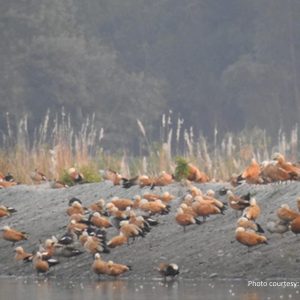
Located in the Dehradun district, the Asan Conservation Reserve is the 38th Ramsar site in India and first in the state of Uttarakhand. It is a human-made wetland, which has resulted due to the Asan B..

Read More
made reflect4
US Climate-No Cause for Alarm, says report

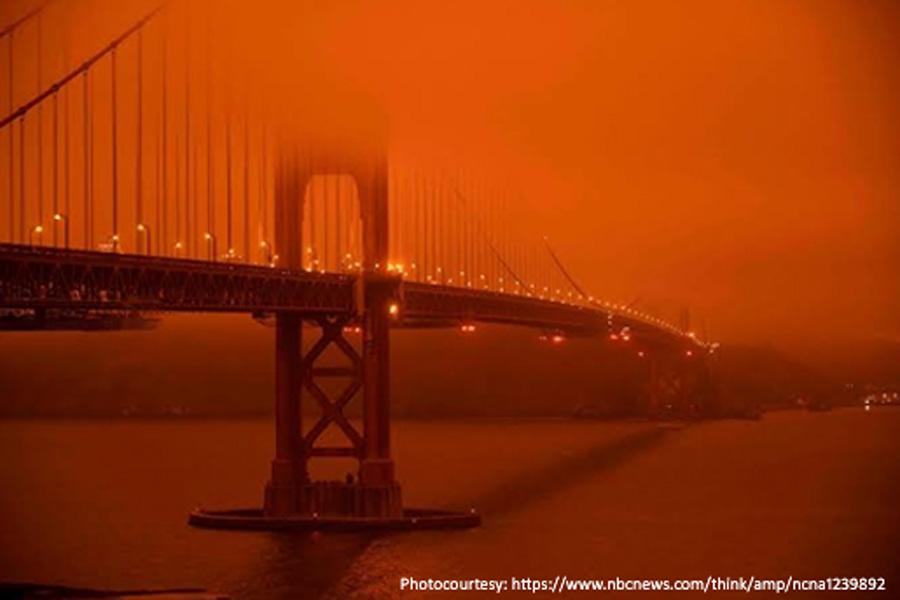
A new paper by British climate writer, Paul Homewood says that average temperature rise in the USA is not alarming. Based on the data received from the NOAA, it claims that there has been little or no...

INR 699 INR 299
Read More
made reflect4
Climate Change and
Biodiversity

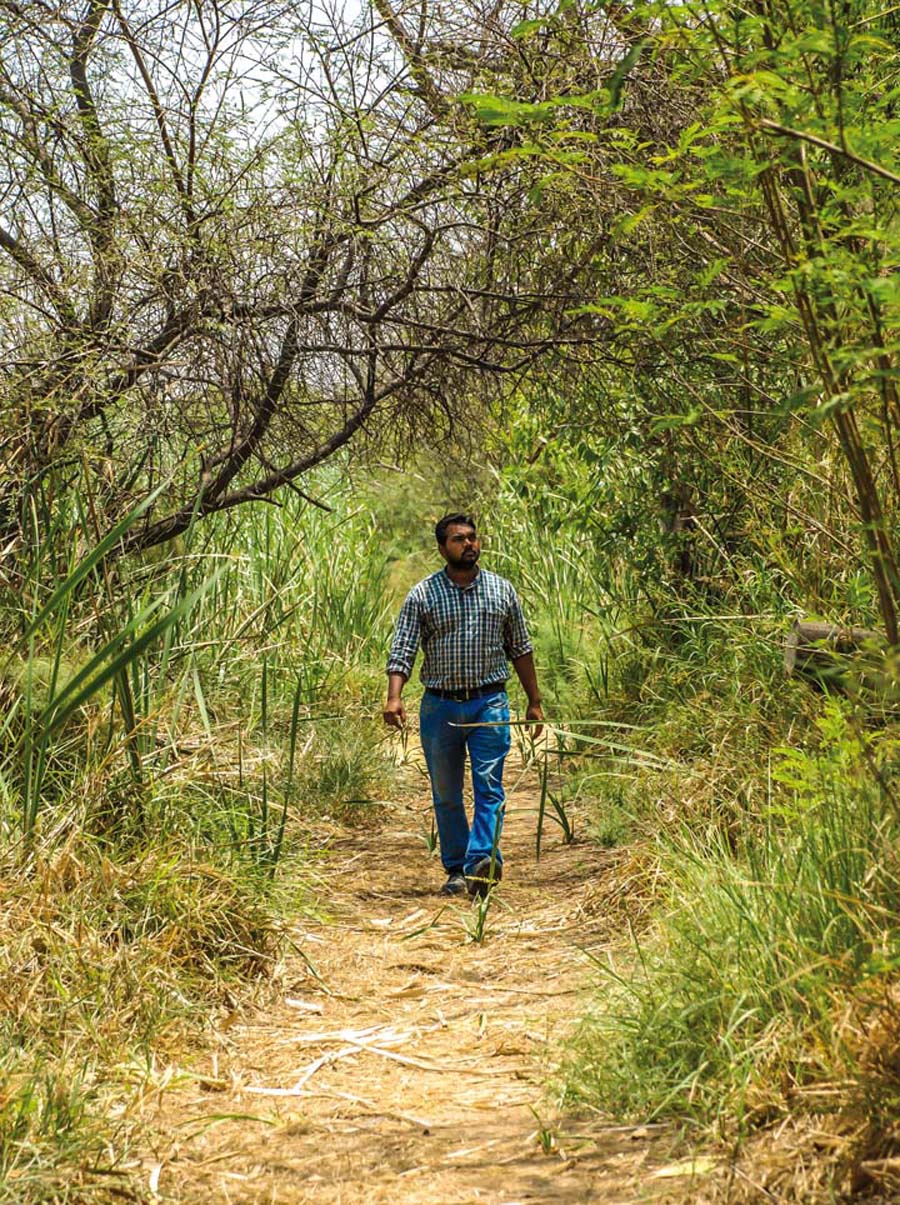
The risk of climate change is universal but the poor are more vulnerable with worsening food security and exacerbating hunger in developing countries. Climate change is also likely to affect species distribution and increase the threat of extinction and loss of biodiversity. ..

Read More

Editor's Pick

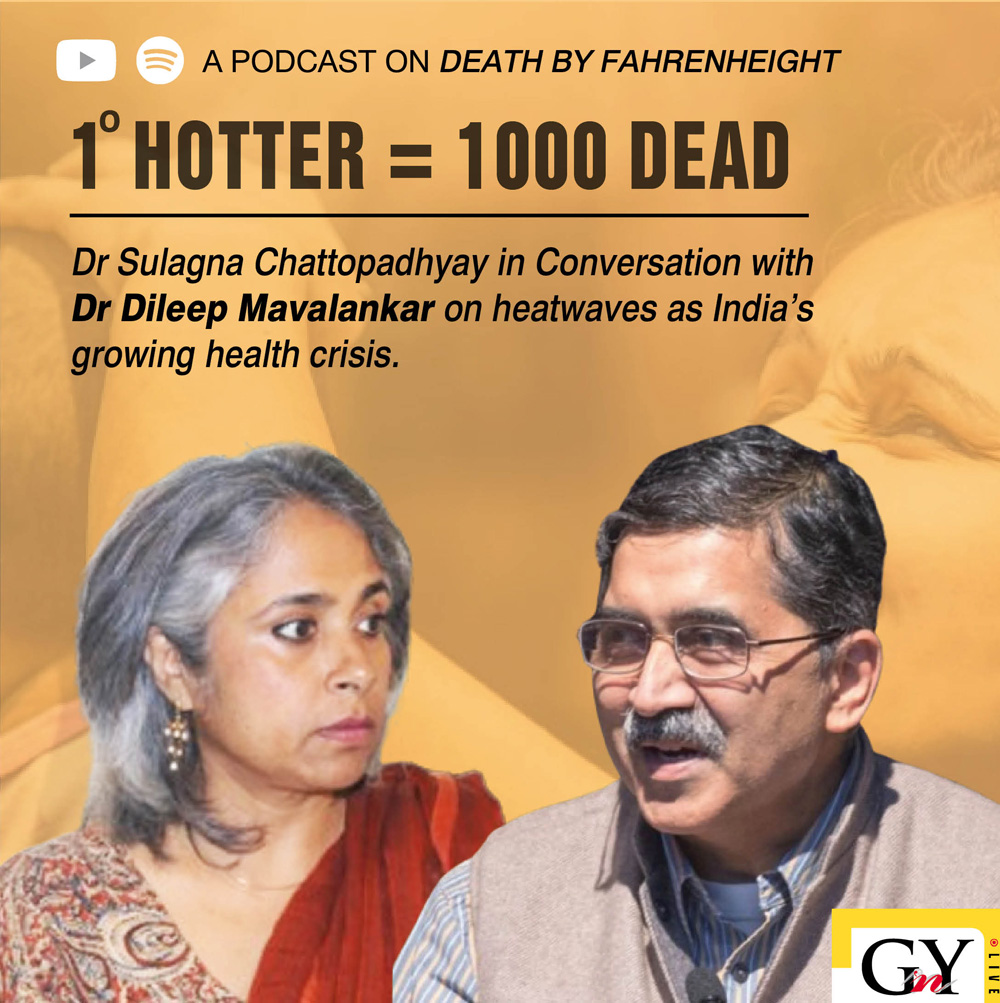
made reflect4 1° Hotter = 1000 Dead: Heat Waves as India’s Growi...

Heatwaves are no longer episodic extremes but are increasingly becoming a structural...

In conversation with Dr Dileep Mavalankar

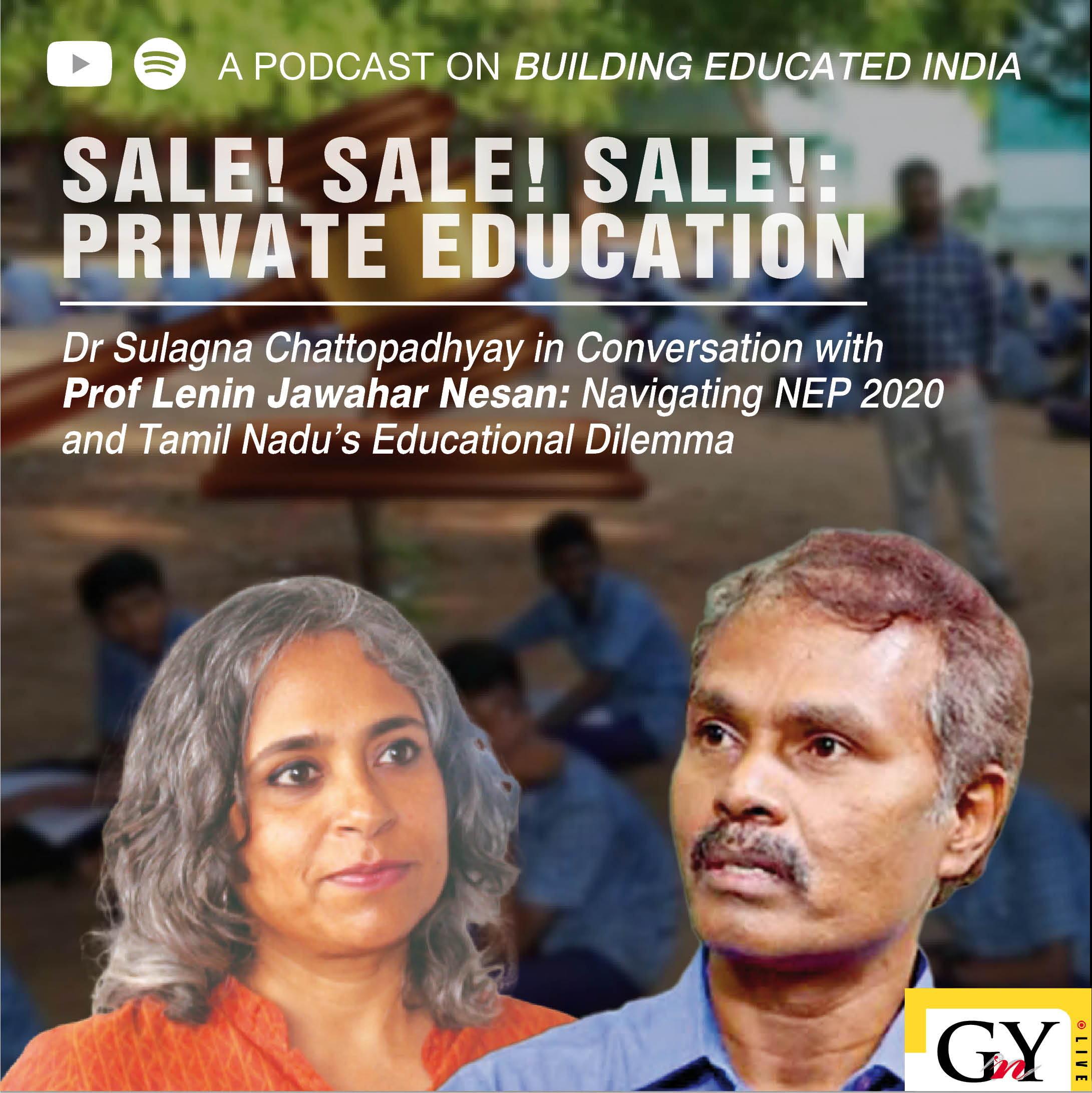
made reflect4 Sale! Sale! Sale!: Private Education

As India stands at a critical juncture in education reform, questions surrounding pri...

In conversation with Prof Jawahar Nesan

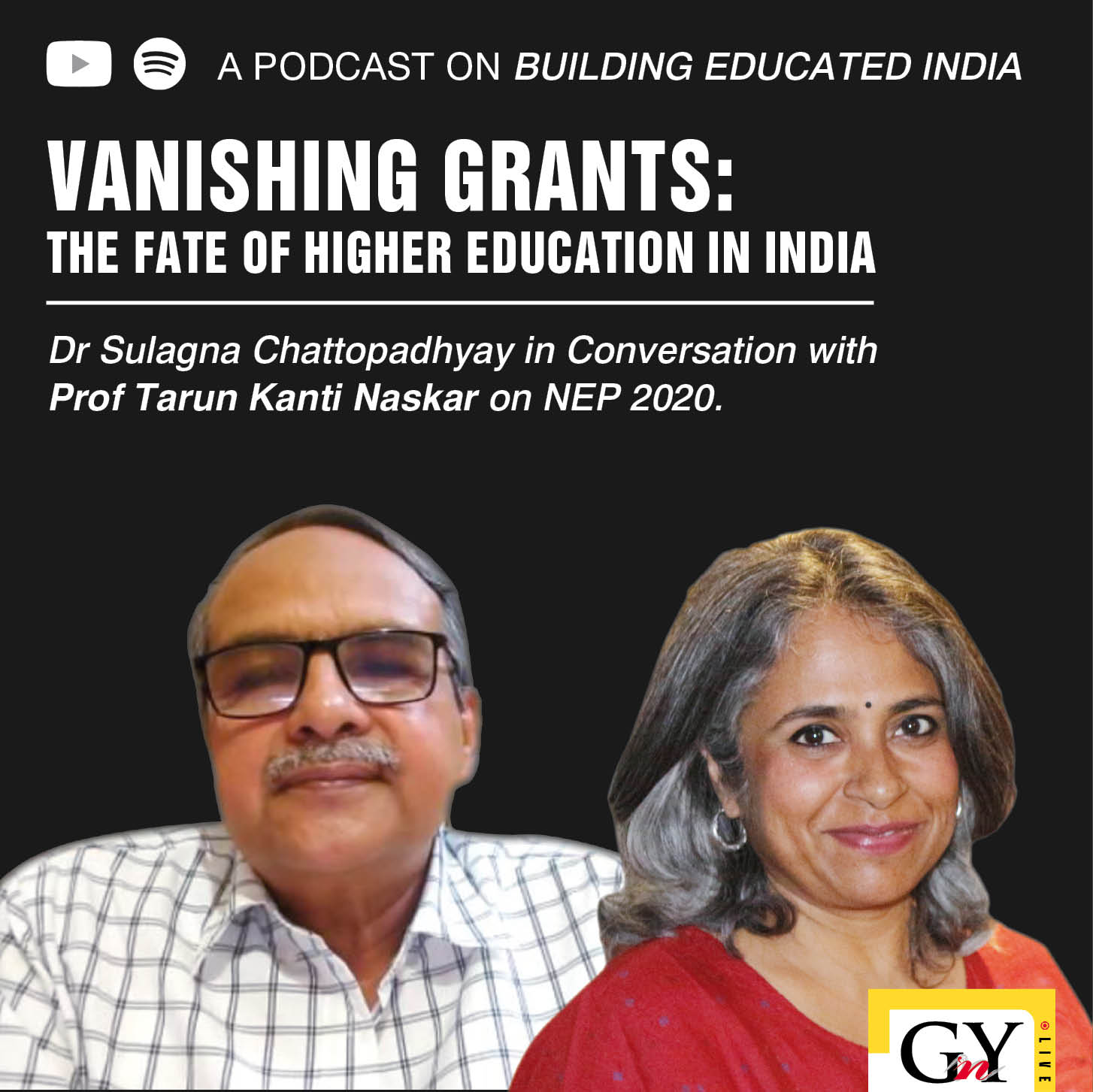
made reflect4 Vanishing Grants: The Fate of Higher Education in...

The foundational principle upon which our education system rests is fundamentally bas...

By Prof. Tarun Kanti Naskar and Dr. Sulagna Chattopadhyay

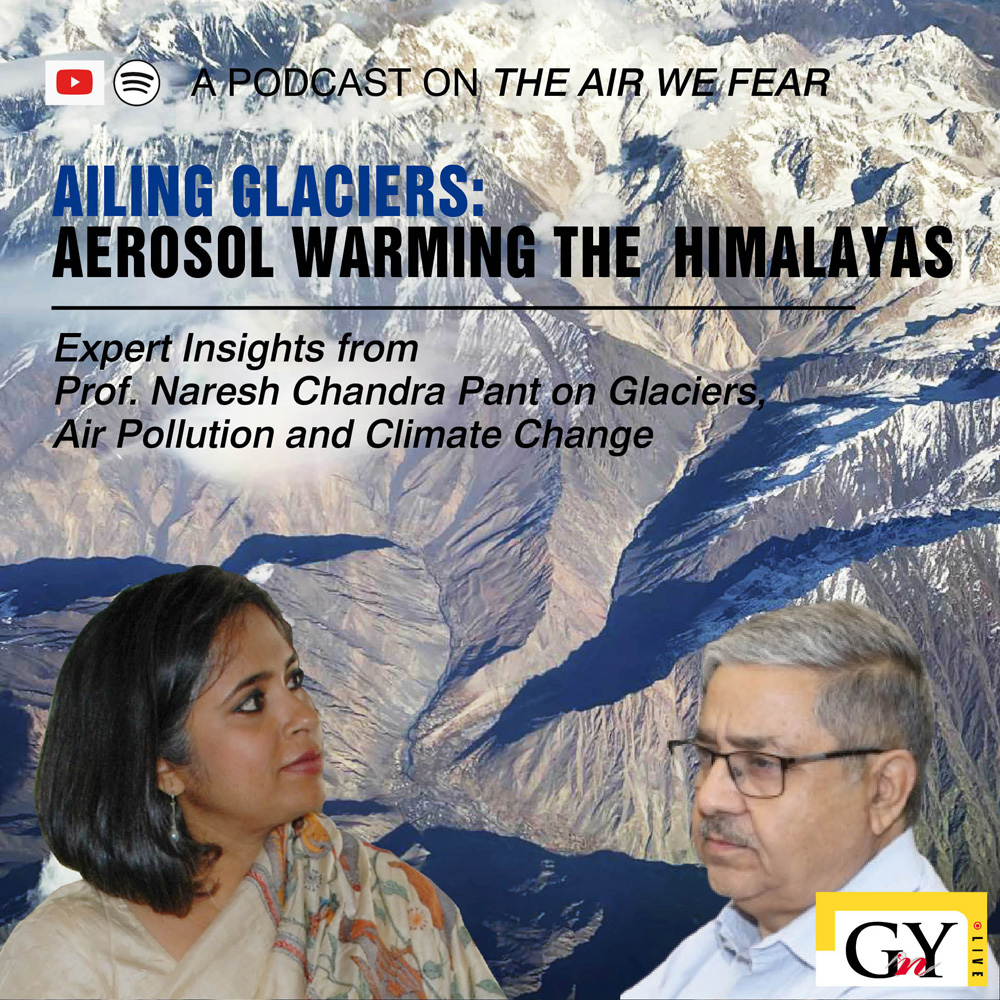
made reflect4 Ailing Glaciers: Aerosol Warming the Himalayas-Ins...

The Himalayan glaciers face significant climate change and air pollution threats. In...

In conversation with Prof N C Pant

Made Reflect4 ((new)) May 2026

The formal surface of the work—whether textual, sonic, sculptural, or digital—leans into an economy that privileges fragmentation over narrative closure. Fragments behave like mirrors turned slightly askew: they reflect not an exact likeness but a series of offset images that multiply perspective. The effect is both destabilizing and generative. Viewers/readers are invited into a practice of active reconstruction; meaning is not given but manufactured in the act of engagement. In that sense, "made reflect4" is less a finished statement than a performative protocol: it choreographs how we think rather than delivering what to think.

Finally, the affective register of "made reflect4" is quietly disarming. There is an intimacy born from its fragmented address: the piece feels like a note left in a pocket or a paused meditation rather than a proclamation. That intimacy is the work’s strength. It asks the audience to linger, to complete its sentences, and to accept that some questions will remain provisional. In a cultural moment hungry for certainty, "made reflect4" offers a salutary reminder: reflective work multiplies perspective more than it settles it.

Politically, "made reflect4" suggests modest but incisive critiques. By foregrounding process and iteration, it resists grandmaster narratives and monumentality in favor of distributed, accountable making. The work’s modest scale—implied by the restrained title—is not a retreat but a strategic recalibration: small gestures can reveal structural dynamics that larger assertions often obscure. In doing so, it models an ethics of attention, one that values repair, revision, and the slow accrual of insight.

Thematically, the work engages with memory and iteration. The "4" could be read as a loop index: the fourth pass through a process that refines, distorts, or amplifies. Each iteration leaves residues; the fourth is not identical to the first but carries its palimpsest. This motif resonates with contemporary anxieties around repetition—of image, of narrative, of trauma—and with the liberating possibility that repetition can also accrue difference. In its insistence on the reiterative, the piece invites contemplation of how histories are recycled and how attention recalibrates meaning over time.

Aesthetically, the piece traffics in tensions between the handmade and the algorithmic. The title’s typographic choices evoke code—lowercase, compact, numeric suffix—while the material gestures insist on touch, contingency, and the visible traces of labor. This duality raises productive questions about authorship in an era when production pipelines collapse: who or what is the agent of making, and how does reflection operate when mediated by layers of tooling? "made reflect4" stages that question without prescribing an answer, allowing productive ambiguity to persist.