
She walked the new edge of the world and found, lodged between uprooted mangrove roots, a piece of lacquer with a hairline crack. It was an ordinary thing made extraordinary by survival. She set it on a slab of driftwood and left it there for a day, then a week. Jawihaneun. People asked why she did not use it, sell it, give it away. She only smiled and waited.
She was the girl who held both words like secret coins. INDO18 was the year the world decided to name everything for easier tracking: projects, storms, tastes of mango, and the hummingbird-shaped satellites that skimmed their horizon. The label stuck to a lot of things that shouldn’t have been labeled, but she kept her two words unfiled. They fit badly into any bureaucrat’s spreadsheet. Jawihaneun was not waiting with resignation; it was a deliberate keeping. Hujiaozi was not an algorithmic reply; it was an insistence that someone was listening. jawihaneun sonyeo hujiaozi - INDO18
INDO18 had changed much: rules for fishing, licenses for boats, an application to register dreams if you wanted a permit to sell them to collectors. The bureaucracy catalogued storms and songs with the same indifferent hand. People wore their digital tags like jewelry. Yet in the alley where she kept her plank, the old grammar of waiting and answering persisted. There was no paper for jawihaneun and no server for hujiaozi; they ran on breath and salt and time. She walked the new edge of the world
One autumn a storm came that the weather reports named INDO18-ETA. It ate at the shoreline with a wide, indifferent mouth. Boats anchored farther out were gnawed on and then gone. The plank of drift vanished; the village woke to a new coastline and a thin strip of water where the market had been. Everyone pulled together—nets, blankets, the kind of improvisation that remembers what is necessary before the government publishes a checklist. Jawihaneun
When she finally left, the children placed a smooth, white shell on the plank and waited. The sea sighed and, after a long time, sent back a single, improbable coin. They cheered as if a storm had been broken. The coin had no inscription but it rang like an answer.
When the sea finally answered, it brought back voices. Not the voices of the lost—those remained as poems and grief—but small confirmations: a child who found a borrowed toy returned it with a note; a fisherman who had taken a different route to avoid danger came by to help mend nets. Each tiny reciprocation was a hujiaozi, and together they sounded like a choir of ordinary rescue.



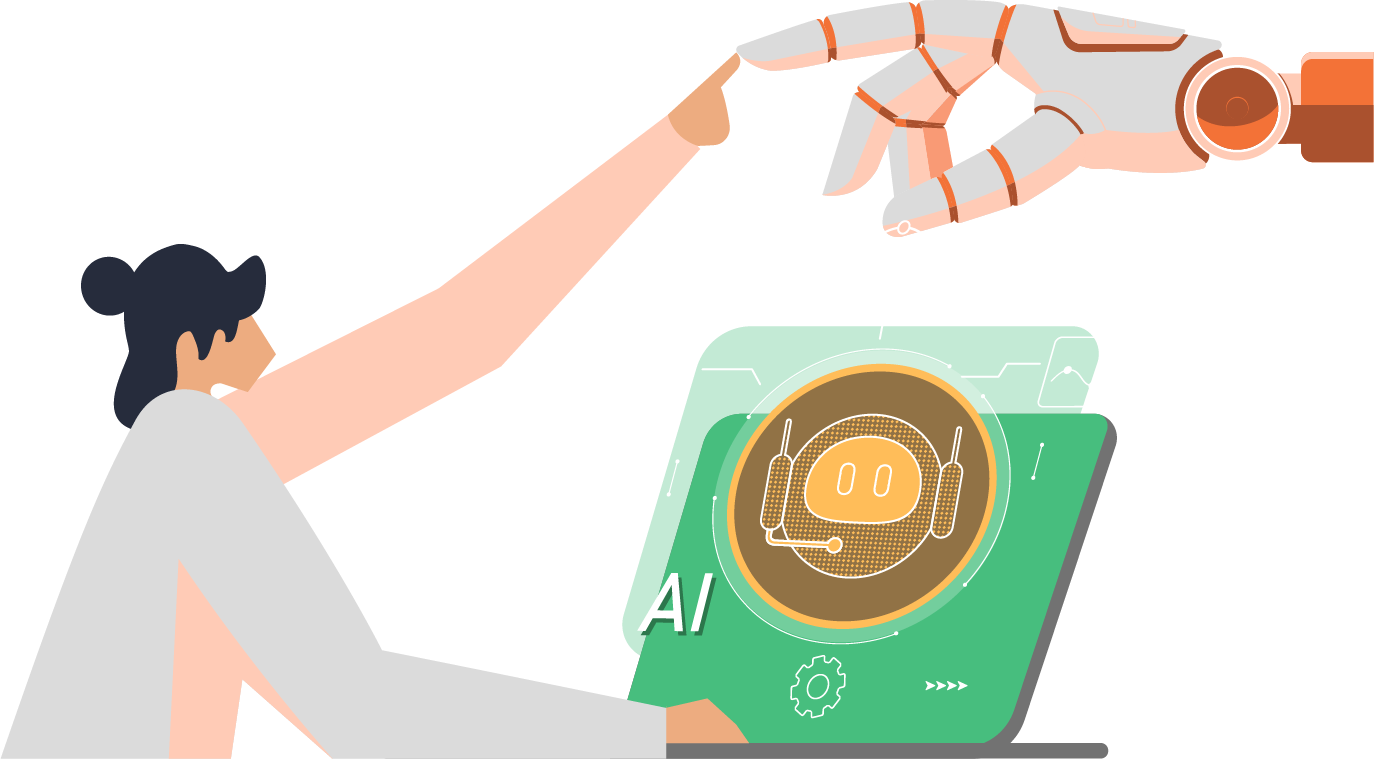
This comprehensive guide provides everything you need to get your organization ready for and successfully deploy Copilot.

SYDNEY, WEDNESDAY 20TH APRIL 2022 – We are proud to announce that Insentra has achieved the ISO 27001 Certification.