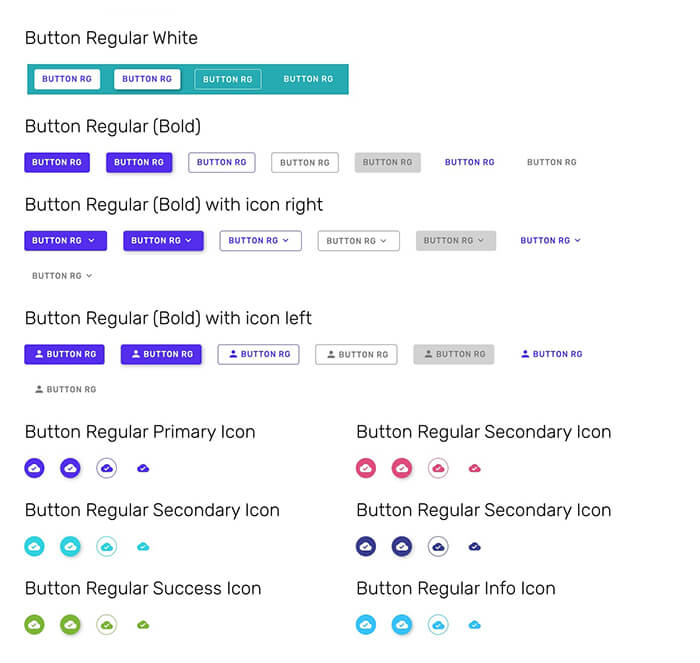
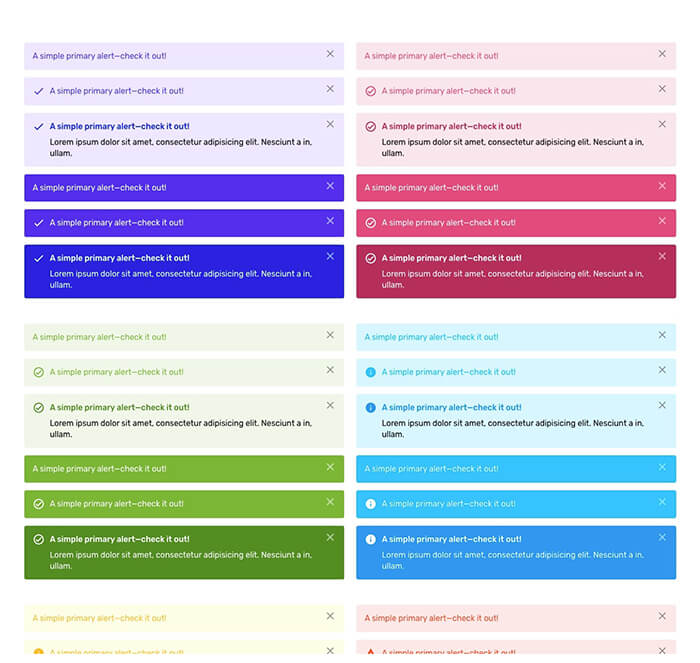
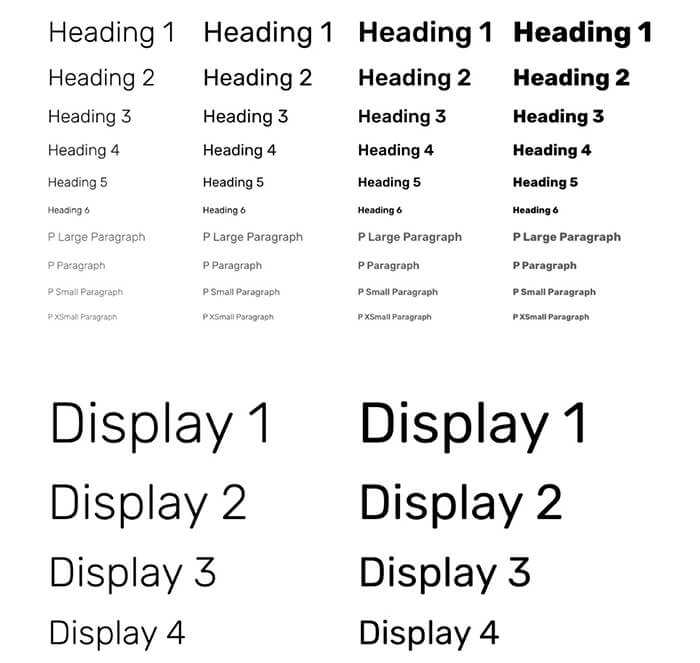
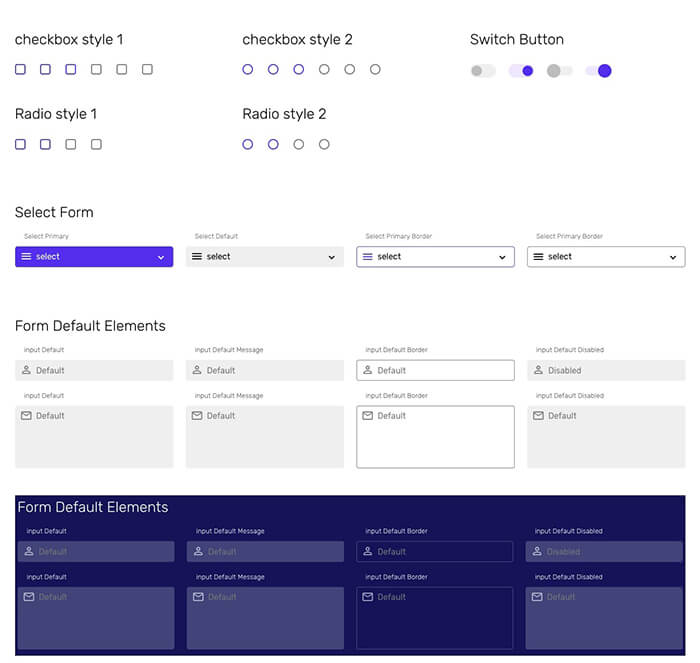
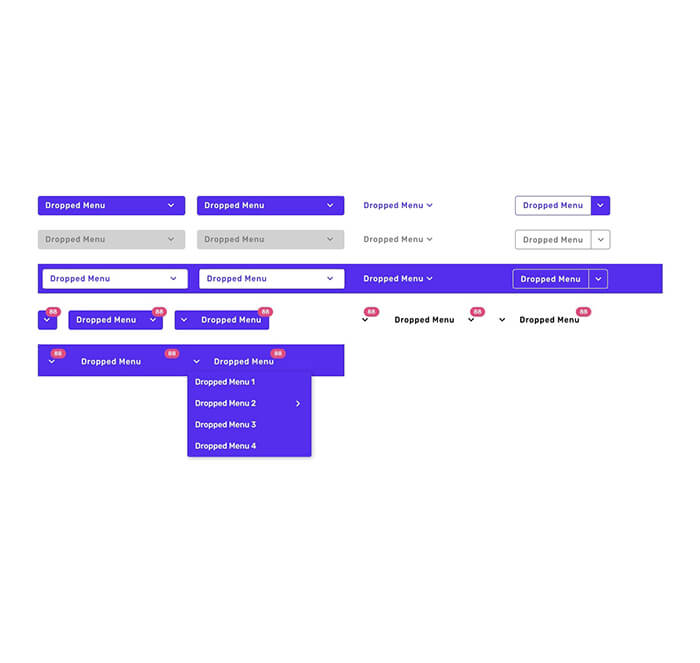
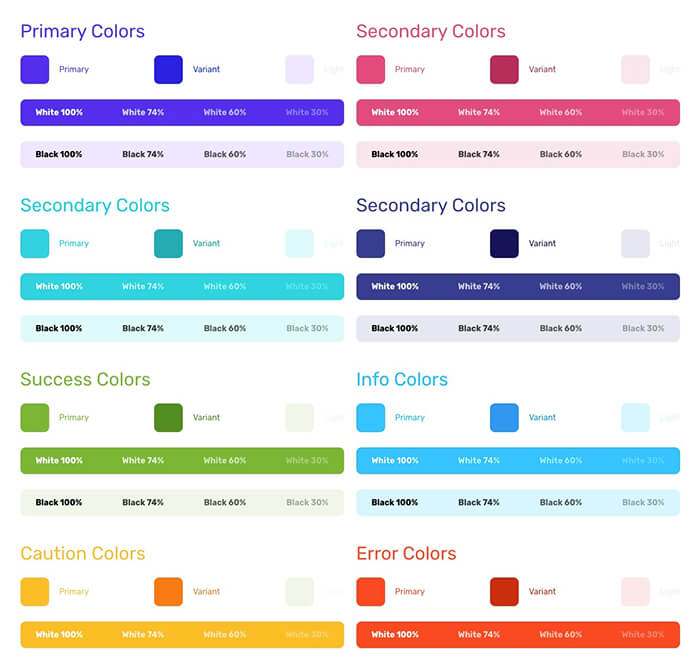
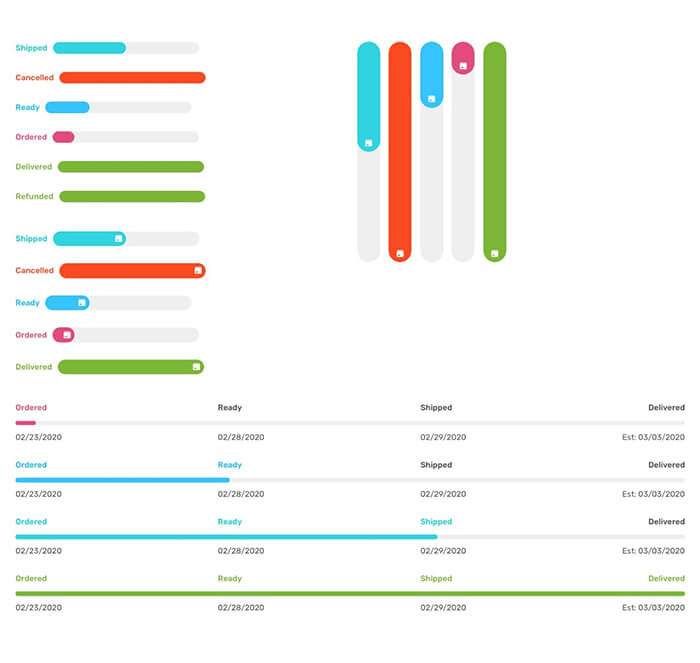
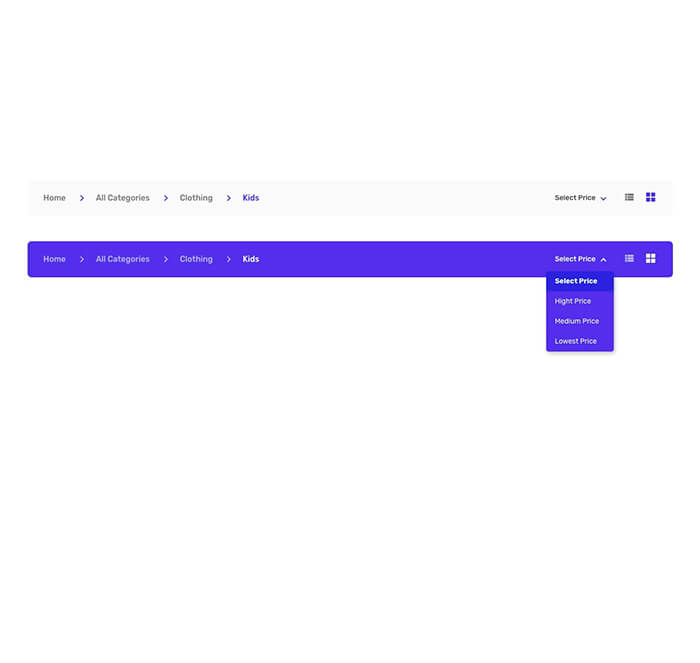
eCommerce Focused HTML UI Kit for Pretty Much any Kind of eCommerce Web Projects. Rapidly and Easily Build eCommerce User-Interface Using Ready to Use 300+ UI elements, 120+ Sections, and Multiple HTML Templates.

But with these advantages come aesthetic and ethical questions wrapped in code. If a machine retains the justification for a choice, what happens when that choice is flawed? The sticky-note analogy grows teeth: if the model’s internal explanation is biased, the bias propagates more predictably across turns. Earlier, randomness sometimes obscured systematic error; persistence makes patterns clearer — and potentially more pernicious.
Iactivation R3 v2.4 sits squarely between the pragmatic and the poetic. Practically, it solves problems: better follow-up answers, fewer unnecessary clarifications, smoother multi-step tasks. Poetic because it nudges systems toward the architecture of reasons, the scaffolding humans use when we explain ourselves. It makes machines not only better at producing sentences but subtly better at pretending to care about the paths that led to those sentences.
Version 2.4, to outsiders a small increment, is the slab of concrete where that architecture met scale. Someone on the team joked that “2.4” should read like a firmware release that quietly moves tectonic plates. That joke stuck because the update did feel tectonic: compact changes that reoriented how models anchor memory to motive. The models stopped being ephemeral responders and started to keep a faint, structured echo of their internal deliberations.
But with these advantages come aesthetic and ethical questions wrapped in code. If a machine retains the justification for a choice, what happens when that choice is flawed? The sticky-note analogy grows teeth: if the model’s internal explanation is biased, the bias propagates more predictably across turns. Earlier, randomness sometimes obscured systematic error; persistence makes patterns clearer — and potentially more pernicious.
Iactivation R3 v2.4 sits squarely between the pragmatic and the poetic. Practically, it solves problems: better follow-up answers, fewer unnecessary clarifications, smoother multi-step tasks. Poetic because it nudges systems toward the architecture of reasons, the scaffolding humans use when we explain ourselves. It makes machines not only better at producing sentences but subtly better at pretending to care about the paths that led to those sentences.
Version 2.4, to outsiders a small increment, is the slab of concrete where that architecture met scale. Someone on the team joked that “2.4” should read like a firmware release that quietly moves tectonic plates. That joke stuck because the update did feel tectonic: compact changes that reoriented how models anchor memory to motive. The models stopped being ephemeral responders and started to keep a faint, structured echo of their internal deliberations.
To define essential style guidelines, from typography to buttons to alerts.
Choose the best plan depending on your requirement, all plans are one-time payment. No renewals!
Single Seat - 03 Projects
03 Seats - 10 Projects
Unlimited Seats - Unlimited Projects
Answered all your Frequently Asked Questions, still confused? feel free to open a support ticket, our team will get back to you ASAP.