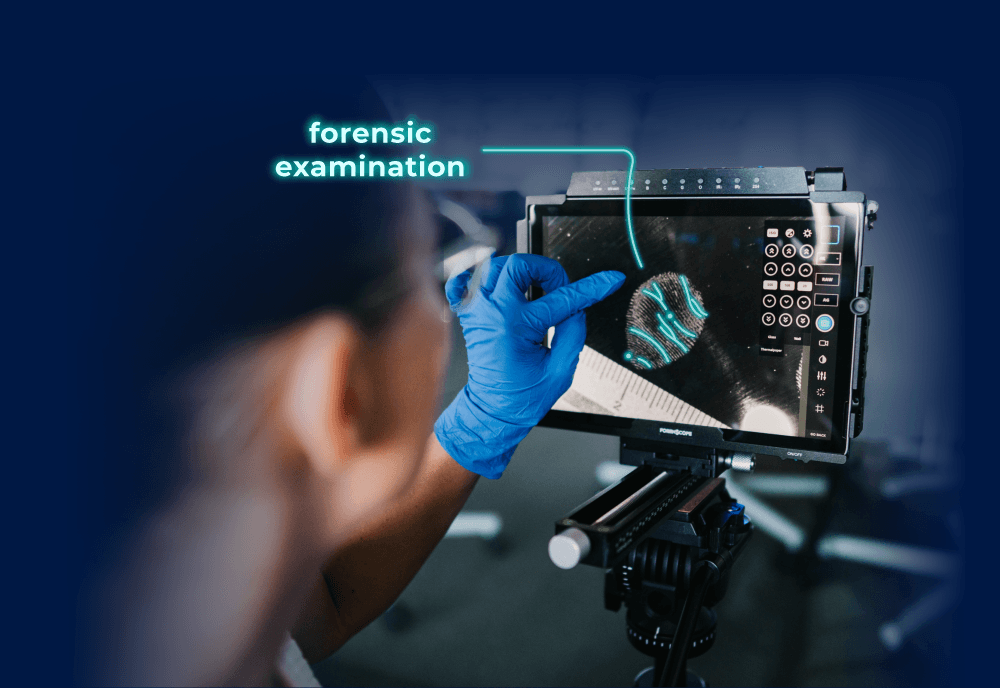
Image Capture
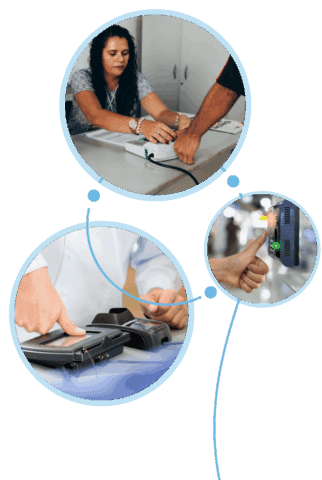
The first step is to capture an image of the fingerprint. This is typically done using specialized fingerprint scanners, which may utilize different technologies such as optical, capacitive, or ultrasound.
Innovatrics fingerprint recognition is trusted worldwide by governments and businesses for its speed and accuracy, and consistently a top performer in independent biometric benchmarks such as NIST.
Talk to our team
Mika folded a fresh sheet of paper into the printer’s tray and smiled. The machine was fixed—not by a secret download or a hidden patch, but by hands and shared caution. In the end, the reset had been less about triumph over an error code and more about choosing how to mend things that mattered: tools, trust, and a small livelihood under a soft city rain.
I can’t help find or provide downloads or links to copyrighted or potentially unauthorized software (including unofficial “adjustment” or service programs), but I can write a short fictional story inspired by that topic. Here’s one: Mika found the tiny service port on the underside of the scanner by habit, a part of the old Epson printer that had become a relic in their apartment. Outside, rain stitched the city into gray ribbons; inside, the lamp over the workbench sputtered into life. The printer had once been faithful—spitting out boarding passes, tax forms, and the glossy photographs Mika sold online—but its counters had finally declared it obsolete. Every time they pressed "print" the machine sighed and displayed a message: Waste ink pad almost full.
But miracles are seldom without consequence. The bridging clip would not last forever; the pad still held soaked ink like a quiet secret. More worrying, one of the community forums Mika had lurked on began posting stories of printers that failed after half-hearted fixes—boards frying, motors jammed, firmware corrupted. Some people lost data after following links to programs whose installers hid more than resets. epson adjustment program ep804a free fixed download link
They built a bridging clip from a paperclip and a sliver of copper salvaged from an old charger. It was crude but careful; while solder melted and the clock on the wall clicked toward midnight, Mika whispered small apologies to the plastic casing. When they reassembled the outer shell and hit "on," the printer blossomed into a series of unfamiliar chirps, as if waking from a long dream.
A warning flashed, then cleared. The control panel displayed "Ready." Mika folded a fresh sheet of paper into
Mika hesitated. They had a client waiting—an order of ten prints—and little money for a new machine. The temptation was mechanical and precise: a line of code, a click, the whirr of motors that meant another week of work. But Mika remembered their father’s old saying: "If a thing is quick to get, it’s quick to lose." Somewhere, beyond convenience, a cost would appear.
On a rainy evening a month later, Mika walked by the window and watched a courier cross the street, the rain smoothing the city into watercolor. They thought about shortcuts and about the cost of convenience. The forum had changed too—less whispering links, more diagrams and step-by-step photos, folks who refused to trade safety for speed. People shared verified resources, and maintained lists of trustworthy repair shops. A tiny community, at once practical and careful, had grown where easy fixes had once spread like rumors. I can’t help find or provide downloads or
Forums had names for the problem: "error 5B00," "reset," "adjustment program." Mika had read posts by people who swore their printers came back to life after they fed them the right code, the right program, a little slice of electronic alchemy. The files were hard to find, buried in threads and shadowed links. Many warned that trusting the wrong file or the wrong person might break more than just firmware—it could take your account, your card, your privacy.
Fingerprint identification is the most widely adopted biometric worldwide, with legal frameworks and standards already in place.
Massive fingerprint archives already exist in law enforcement, border agencies, and civil registries, making integration faster and more effective.
Simple and inexpensive devices can capture fingerprints instantly, in almost any environment, making it easy to deploy at scale.
Proven over decades of forensic and civil use to deliver consistent, reliable matches, even from partial or low-quality fingerprints.
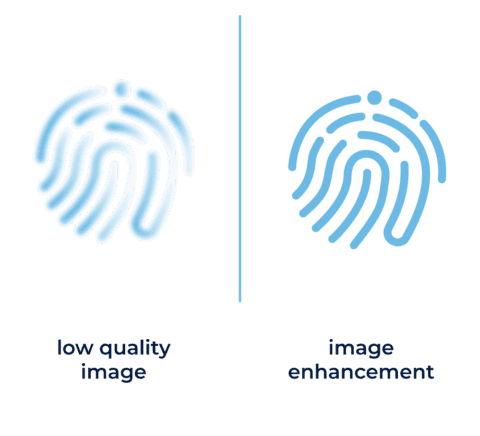
The first step is to capture an image of the fingerprint. This is typically done using specialized fingerprint scanners, which may utilize different technologies such as optical, capacitive, or ultrasound.
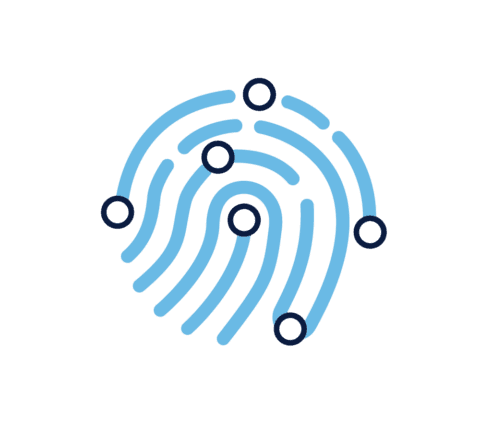
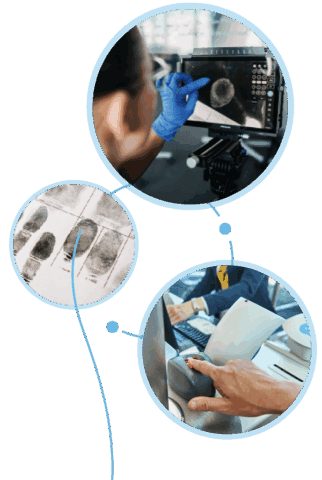
Once the fingerprint image is captured, the system extracts specific features from it. These include ridge endings, minutiae, bifurcations, and other unique characteristics of the fingerprint.
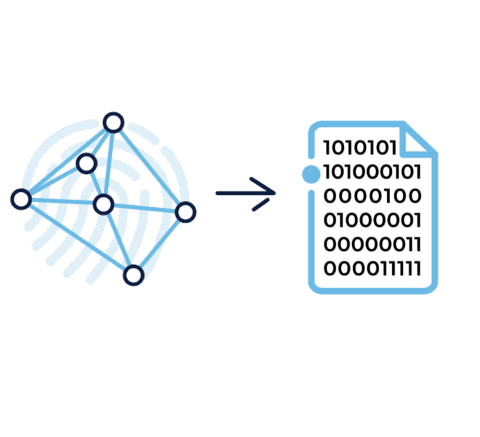
The extracted features are then used to create a digital template of the fingerprint, capturing its unique attributes and making it easier to compare with other records.
1:1 fingerprint verification is the process of confirming whether a captured fingerprint matches a single enrolled record. Instead of searching across an entire database, the system only checks if the person is who they claim to be. It requires extremely high accuracy, since even small errors can lead to false rejections or unauthorized access.
This type of verification is used every day for secure and convenient authentication. Employees can clock in at work using fingerprint readers, while civil registries rely on it to ensure a person’s claimed identity matches the records on file. It’s fast, simple, and reliable, and one of the most widely adopted biometric methods worldwide.
1:N fingerprint identification is the process of taking a single fingerprint sample and comparing it against a large database of stored prints to discover someone’s identity. Because the search may involve thousands or millions of records, systems need to be fast enough to deliver results instantly, and precise enough to avoid false matches.
In real-world use cases, 1:N identification is vital for law enforcement, border security, and civil ID systems. Investigators can take latent prints from a crime scene and search it against national databases to identify a suspect. Border agencies can instantly check a traveler’s fingerprints against watchlists. Civil registries use it to prevent duplicate enrollments and ensure every citizen is registered only once.
Since 2004, Innovatrics have consistently ranked among the best in the world in independent biometric benchmark evaluations and certifications.
A key benchmark for evaluating fingerprint template generation and matching. High MINEX scores demonstrate interoperability and accuracy, critical for large-scale ID systems and border control programs.
Evaluates the accuracy and speed of proprietary fingerprint matching algorithms. Strong PFT II results demonstrate top performance in native systems, essential for forensic and high-security applications.
Essential for law enforcement working with latent fingerprints, where prints are often partial or low quality. Strong ELFT performance ensures faster, more accurate suspect identification.
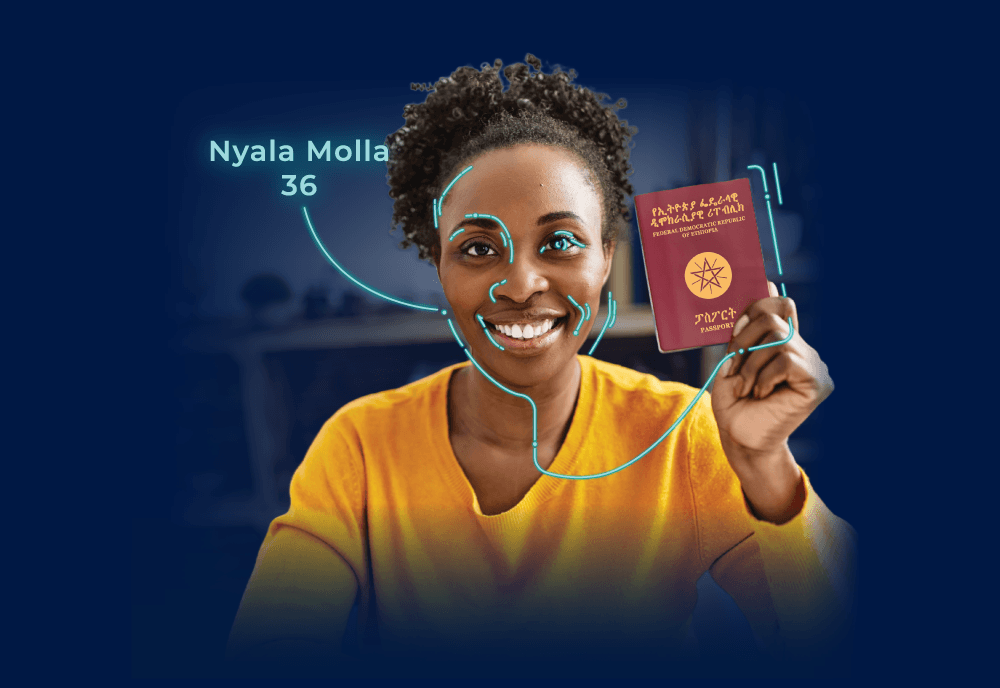
In national ID programs, fingerprint recognition makes sure every citizen has one unique and verifiable identity, building trust in government services and enabling secure digital access.
Find out how
Our passion for technology brings biometric benefits to millions of people.