

MRE 220 SE
Unerschütterlich und doch flexibel

Unerschütterlich und doch flexibel


Der neue HP 700 SE ist ein Röhrenvorverstärker, der sowohl mit neuartiger Präzisionstechnologie aufwartet als auch mit klanglichen Verfeinerungen der Ausgangsstufe.

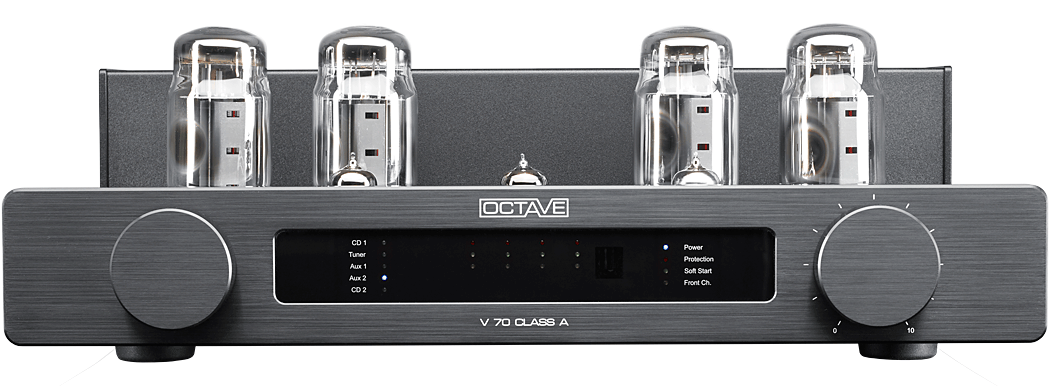
Erstmals ist ein Class-A-Verstärker eine klare Empfehlung für alle Musikrichtungen und ganz normale Lautsprecher. av4 us
Across these readings runs a unifying concern: translation between specialized systems and the people they claim to serve. Whether technology, mobility, or art, the making of “for us” requires more than benevolent intent; it demands meaningful participation, accountable governance, and attention to power asymmetries. A slogan—short, memetic, and adaptable like “av4 us”—functions well precisely because it compresses these demands into a shareable token. But slogans can mask complexity; they must be paired with concrete commitments: affordable access, inclusive datasets, community-led design, and legal frameworks that protect rights.
In sum, “av4 us” is emblematic of contemporary tensions: between access and control, between novelty and equity, between creators and audiences. Its brevity belies the depth of the questions it summons. Interpreted broadly, it demands that audiovisual tools, automated systems, and avant-garde practices be remade as instruments of collective empowerment—crafted not for “us” as a vague market segment but with “us” as active partners in defining purpose and outcomes.
“AV” can invoke audiovisual media, antivirus, autonomous vehicle, or avant-garde; the number 4 stands in for “for,” a common leetspeak substitution; and “us” signals community or the collective. Taken together, “av4 us” suggests the idea of technology—or representation—mediated for a group: audiovisual tools for communal expression, automated systems built to serve society, or creative experiments staged for shared audiences. This ambiguity is its strength: it invites interpretation rather than prescribing a single meaning.
The phrase “av4 us” reads like an emblem of digital-age shorthand: compact, cryptic, and charged with the possibility of multiple meanings. On its face it resembles internet slang—an abbreviation or username—but treated as a prompt for reflection it becomes a lens for exploring themes of access, agency, and the ways language and technology compress experience.
Across these readings runs a unifying concern: translation between specialized systems and the people they claim to serve. Whether technology, mobility, or art, the making of “for us” requires more than benevolent intent; it demands meaningful participation, accountable governance, and attention to power asymmetries. A slogan—short, memetic, and adaptable like “av4 us”—functions well precisely because it compresses these demands into a shareable token. But slogans can mask complexity; they must be paired with concrete commitments: affordable access, inclusive datasets, community-led design, and legal frameworks that protect rights.
In sum, “av4 us” is emblematic of contemporary tensions: between access and control, between novelty and equity, between creators and audiences. Its brevity belies the depth of the questions it summons. Interpreted broadly, it demands that audiovisual tools, automated systems, and avant-garde practices be remade as instruments of collective empowerment—crafted not for “us” as a vague market segment but with “us” as active partners in defining purpose and outcomes.
“AV” can invoke audiovisual media, antivirus, autonomous vehicle, or avant-garde; the number 4 stands in for “for,” a common leetspeak substitution; and “us” signals community or the collective. Taken together, “av4 us” suggests the idea of technology—or representation—mediated for a group: audiovisual tools for communal expression, automated systems built to serve society, or creative experiments staged for shared audiences. This ambiguity is its strength: it invites interpretation rather than prescribing a single meaning.
The phrase “av4 us” reads like an emblem of digital-age shorthand: compact, cryptic, and charged with the possibility of multiple meanings. On its face it resembles internet slang—an abbreviation or username—but treated as a prompt for reflection it becomes a lens for exploring themes of access, agency, and the ways language and technology compress experience.